
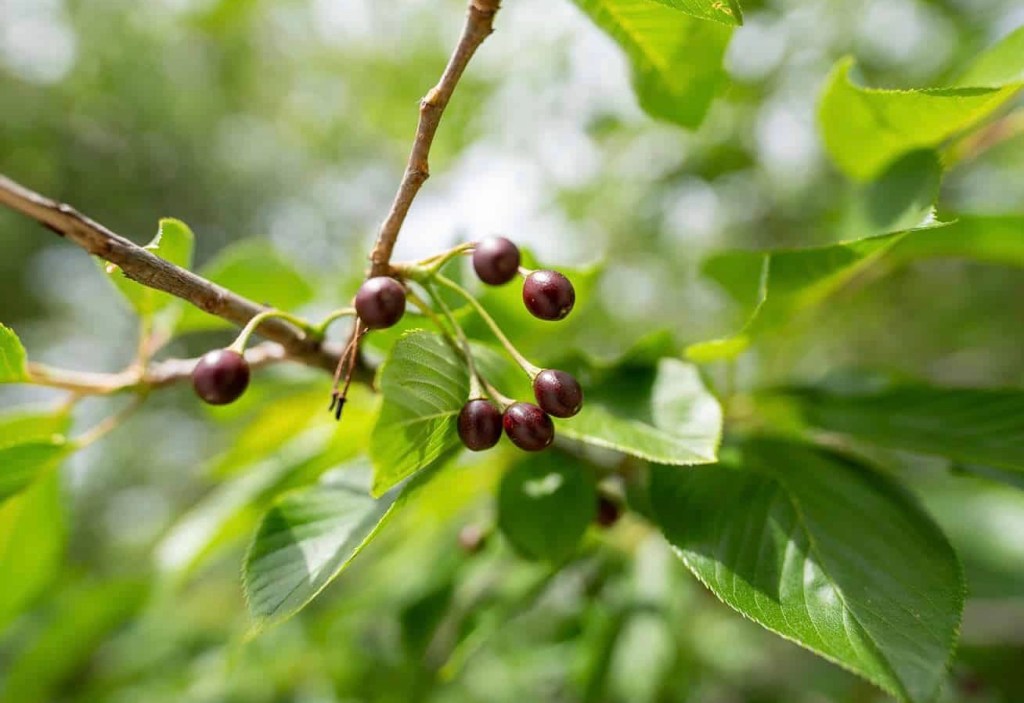
We joined the throng of travelers coming to Japan for the cherry blossom season. Luckily many of the trees are in coming to full bloom. In Tokyo some of the trees are about 20 m high. So, what happens to all the cherries? They are tiny and sour, and the birds eat them.
Ahead of us, waiting for an elevator in the hotel lobby, there was a family of 5 people with their suitcases. The elevator doors opened to reveal the lift cabin full of people, not making a move. Without hesitating the family quickly moved toward the elevator. The occupants somehow managed to keep compressing to accommodate the advancing newcomers. And their luggage. Don’t know how, but I am sure that if we had confidently advanced, they would have also made a space for us.
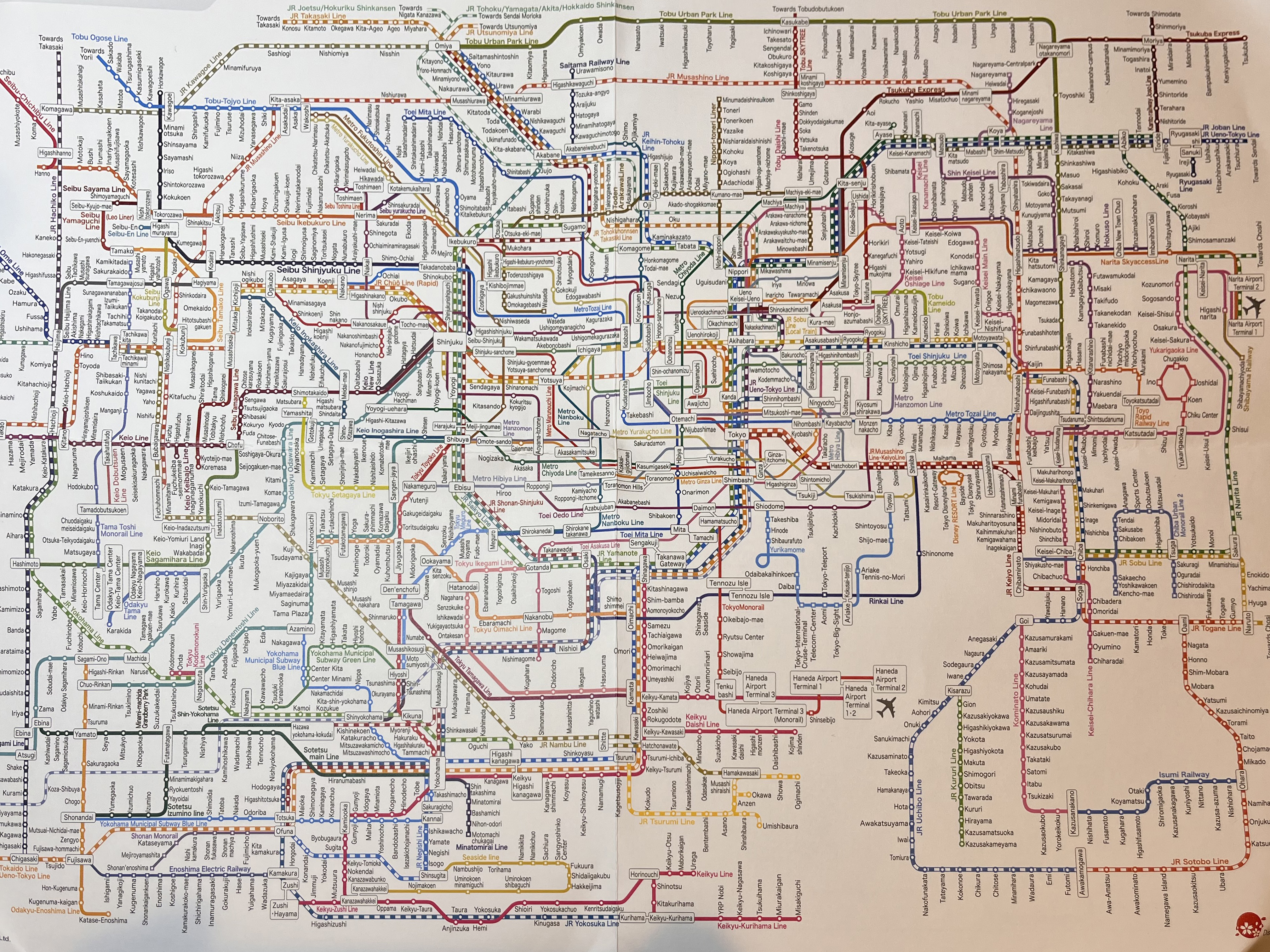
The railway system for the 37 million locals is very well organised, as you can see from the attached pic. A great achievement for an iPhone camera.
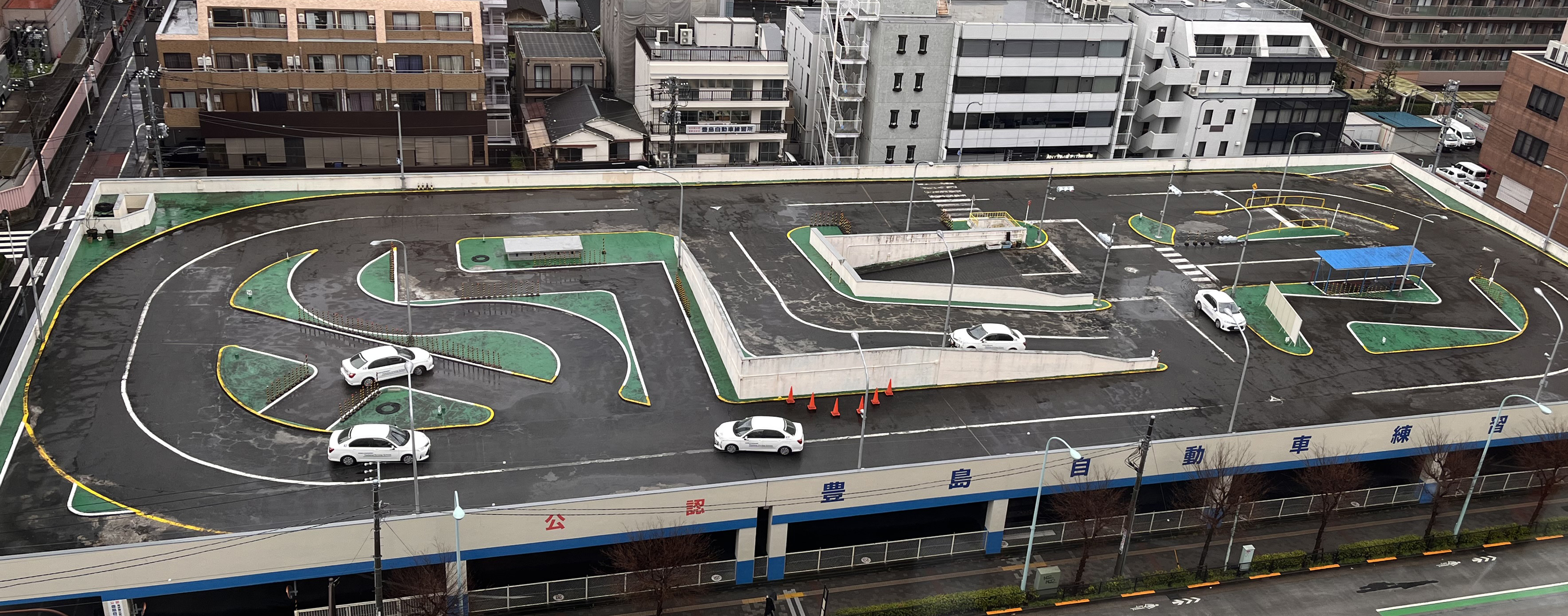
For our entertainment in the hotel room, much more amusing than TV, we look down on a roof top driving school. The school continues to run day and night. From raw beginners to those nearly ready for the real world. With a dozen inexperienced drivers in action, wondering what music I might use for the sound track of a movie of the action.
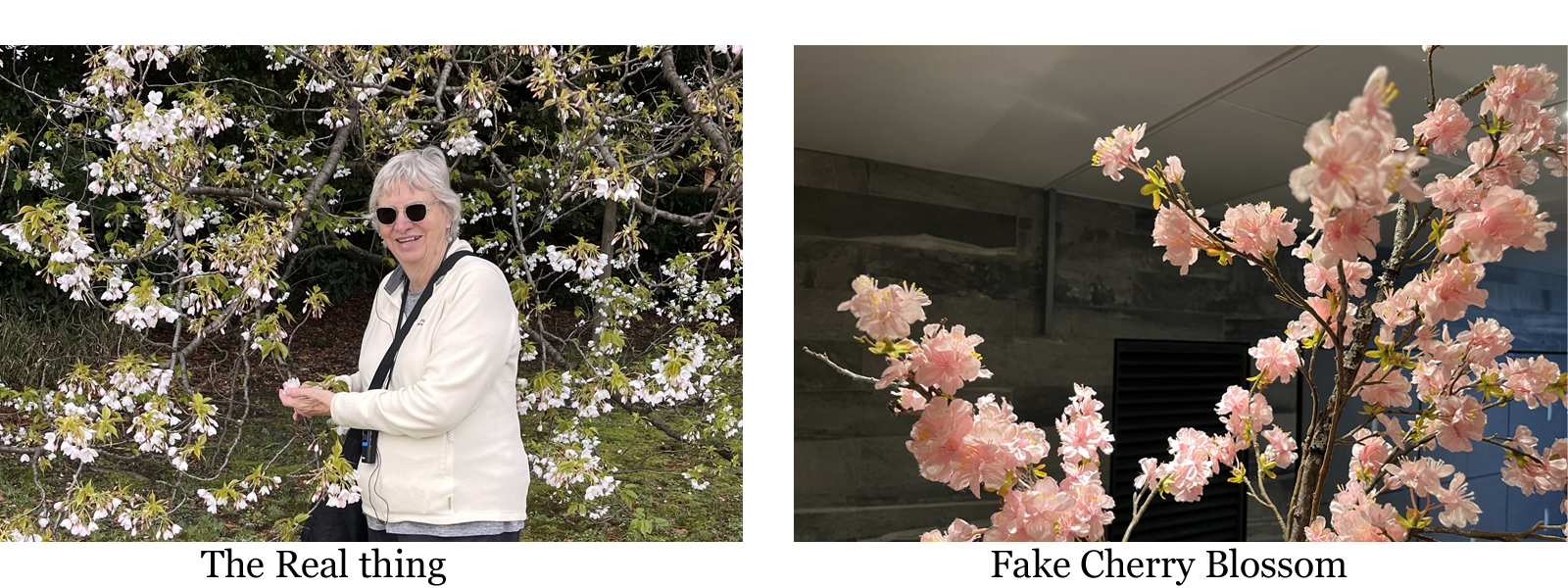
We chose to come this time of year in the hope of seeing some cherry blossom. There are three delights with cherry blossom. First, the beauty on the tree. secondly the falling of the blossom like snow. And finally the carpet of the fallen blossom. Real cherry blossom is so ephemeral that convincing faux cherry blossom is popular as a seasonal decoration.
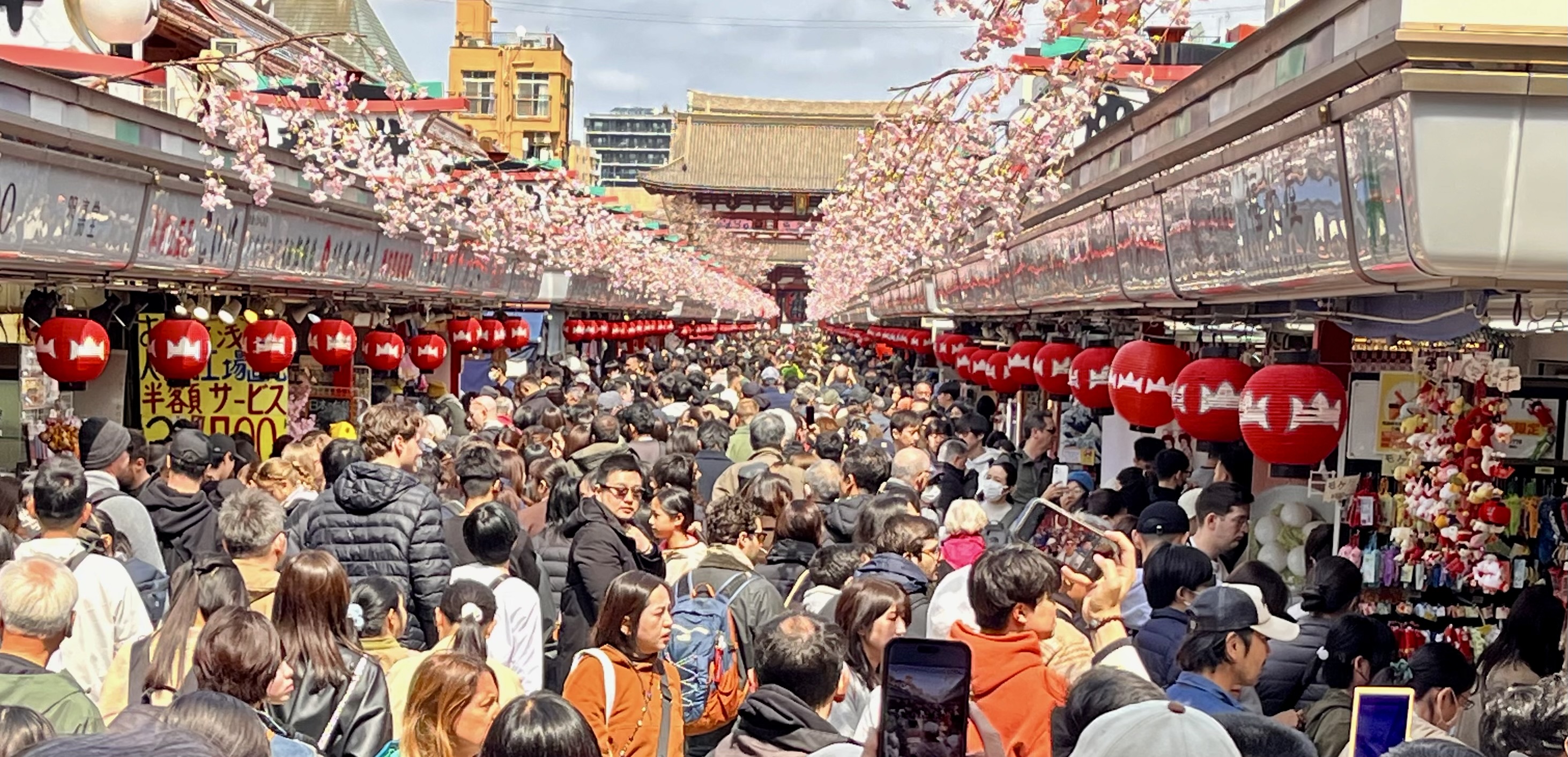
There was a festival at the Sensoji Temple. A sea of people were dressed for the occasion. The street leading to the temple was decorated with cherry blossom. Do you think it was real?
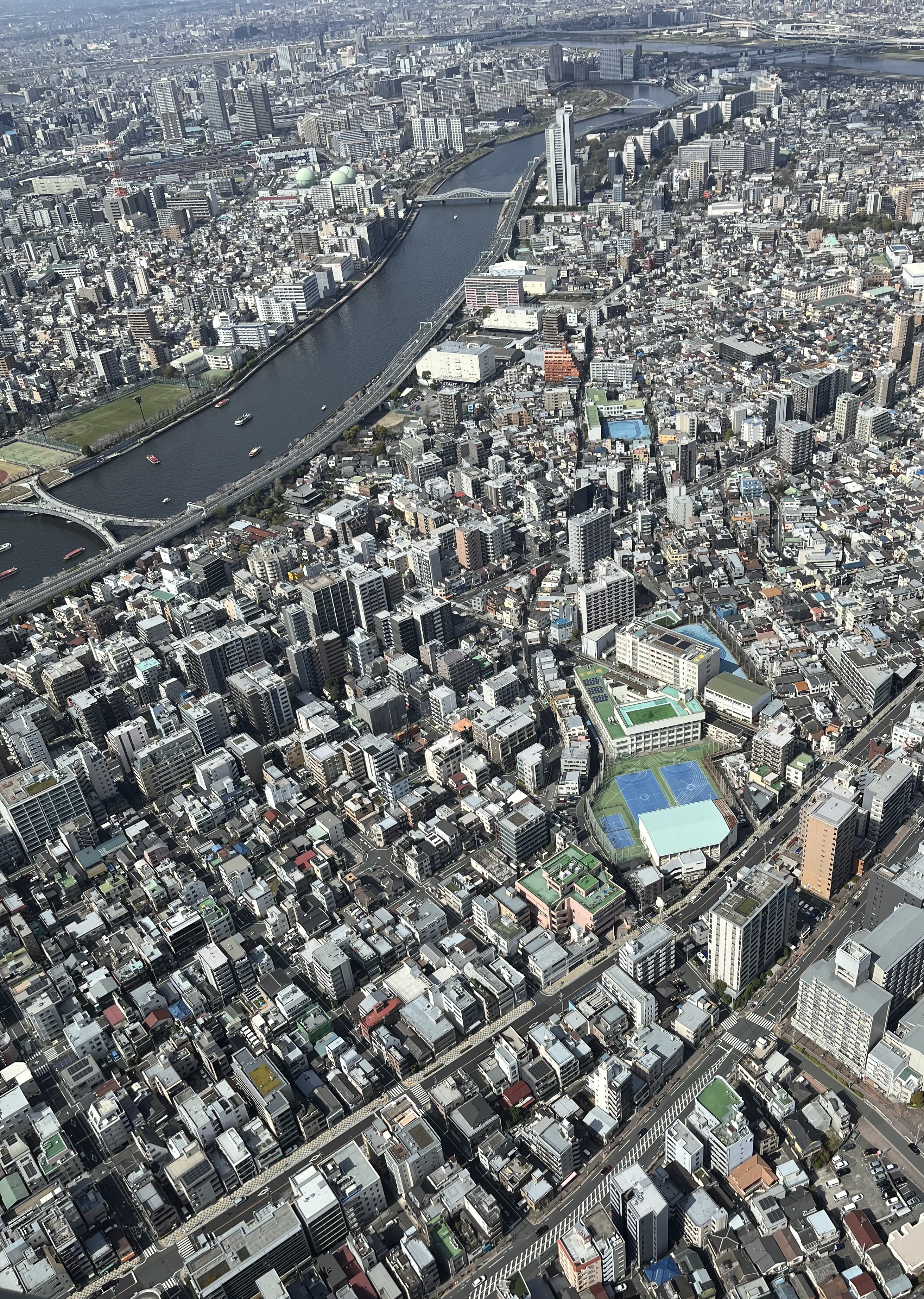
The Tokyo Sky tree at 634m built in 2012 was once the tallest tower in the world. A collossal tourist attraction, the parking area accommodates 20 buses and the 4 high speed elevators each carry 40 people to the viewing platforms up to 450m above the cherry blossoms. On our visit, as you see in the pic, a lovely clear day.
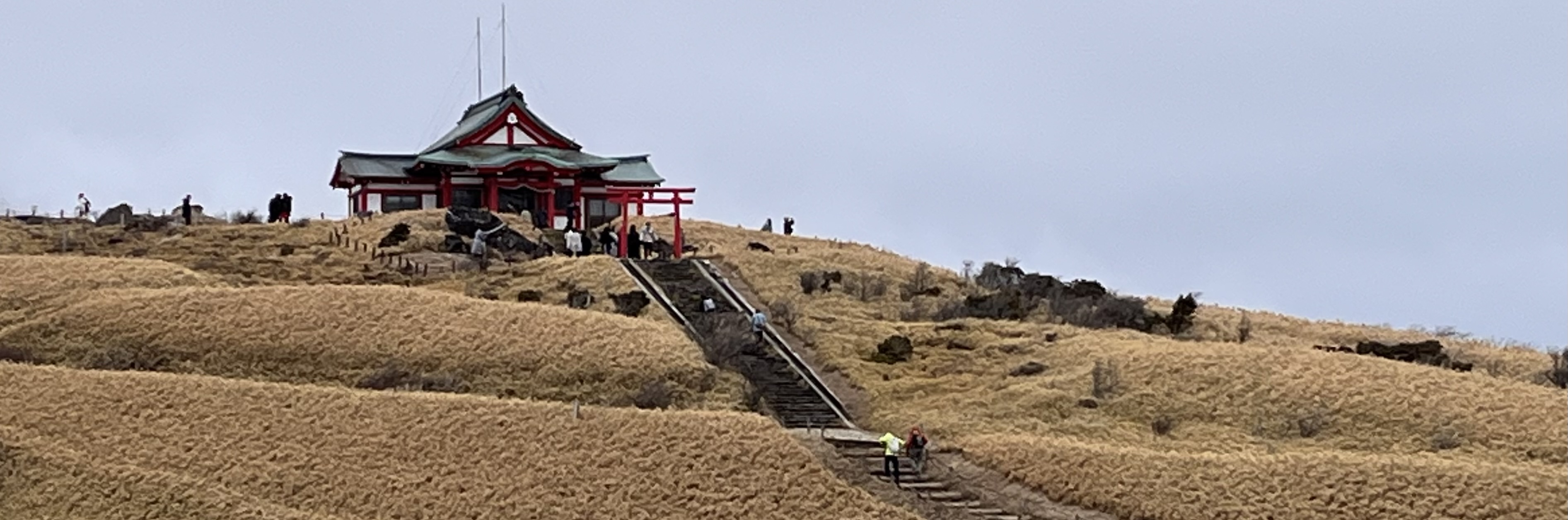
Various combinations of temples, gardens, high places and castles. The Komagatake cable car took us to a temple on a mountain top.
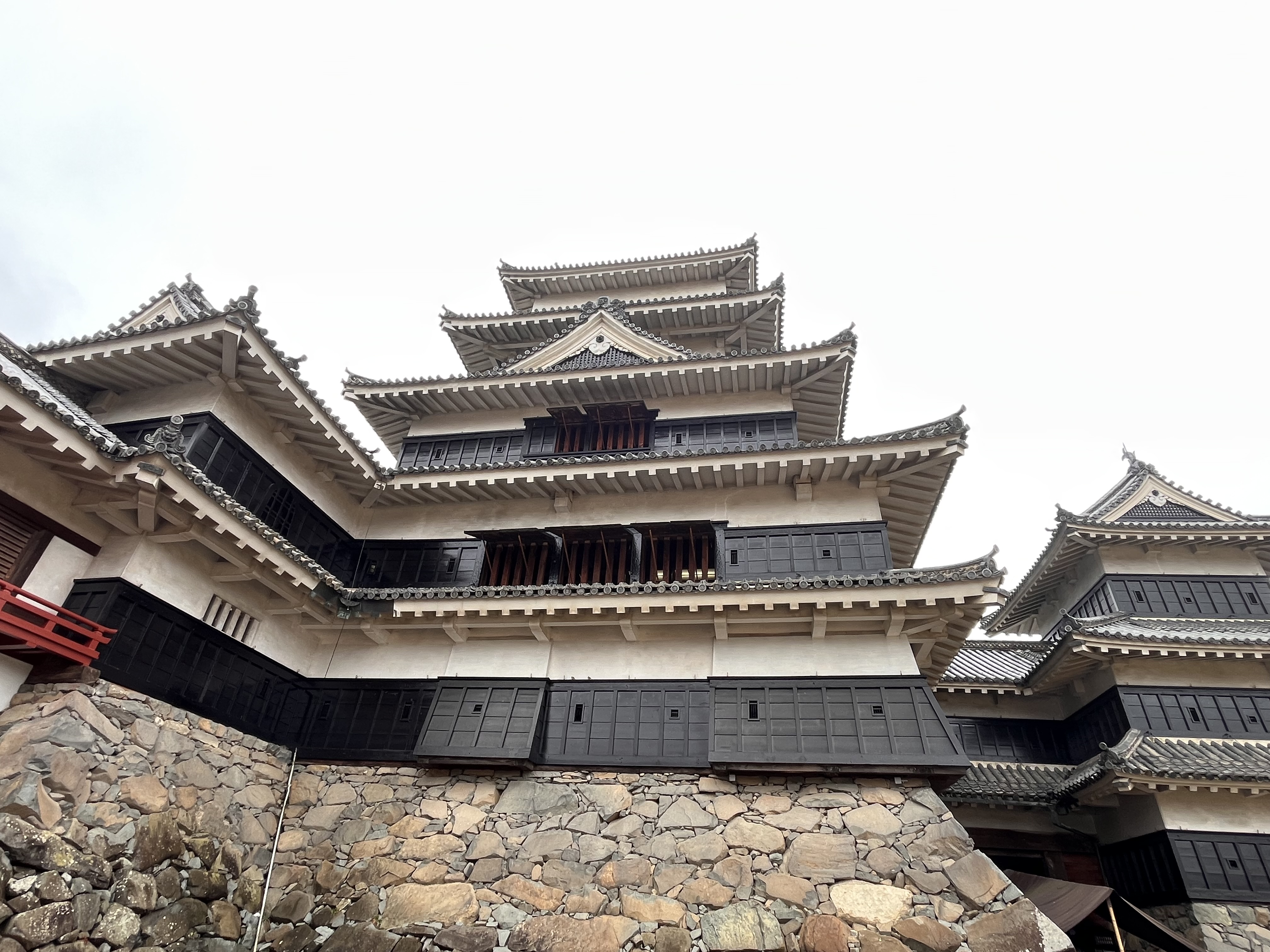
Until the 1850’s castles in Japan had been made of wood. However, in the Meiji period they became interested in Western ways and warfare. so most of the wooden castles were rebuilt in stone. The Matsumoto castle was the only significant wooden castle to be retained. Inside it is very dark and austere, intended to be defended and in no way a grand palace. Its lack of direct involvement in battles makes it a symbol of peace and preservation.
Takayama up in the mountains was blanketed in snow. Plenty of opportunities for retail therapy in the morning market. Traditional style homes were open to the public, decorated of course with cherry blossom. More than a hundred species of cherry blossom trees in Japan. No shortage of hot water in Japan. The large baths in the hotels can be quickly filled to the brim with hot water and the overflow just drains from through a hole in floor of the bathroom. And in the middle of the streets in Takayama there are outlets that gush hot water to melt the snow and ice which drains to covered slotted gutters.
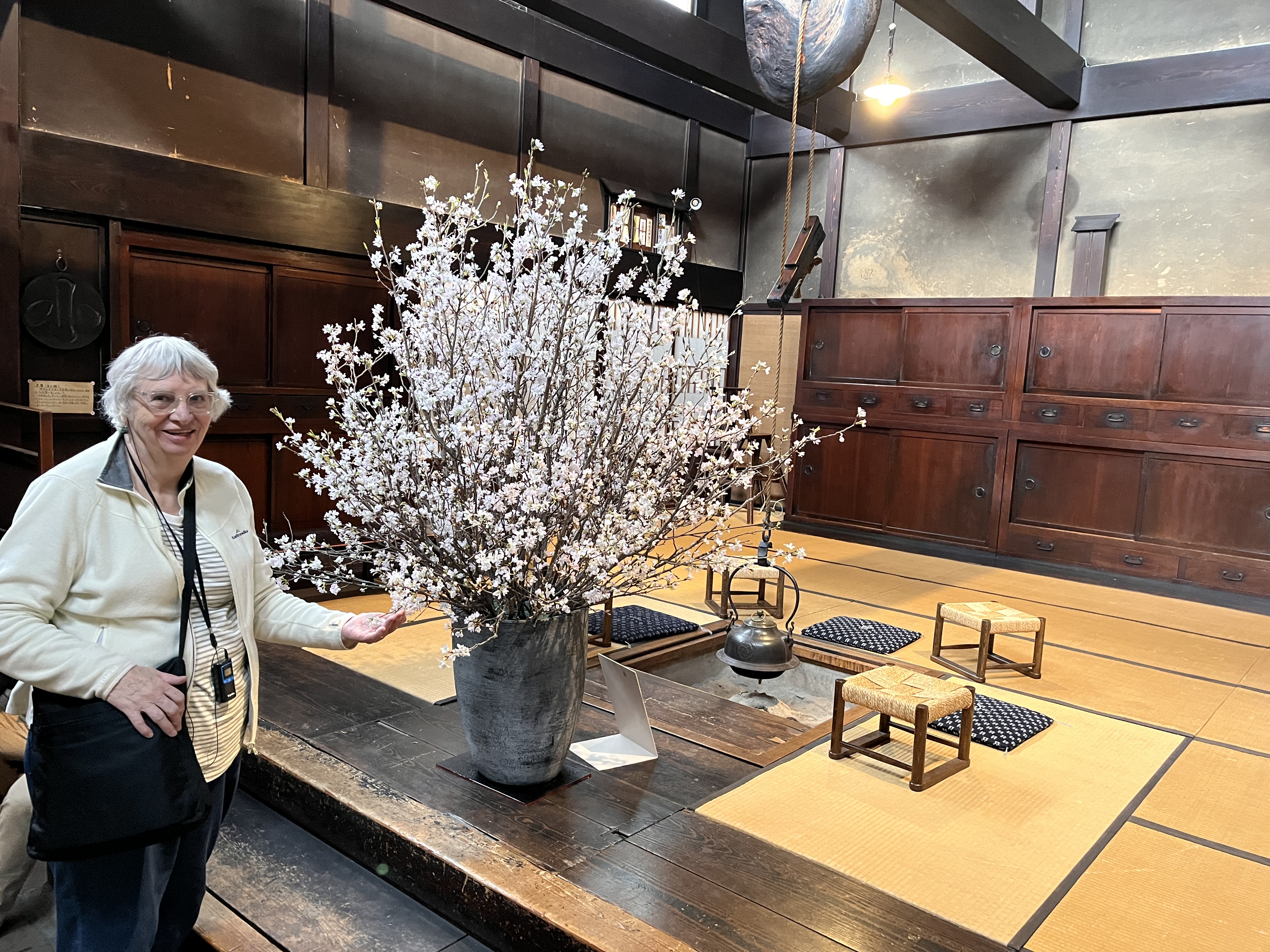
. A traditional home in Takayama
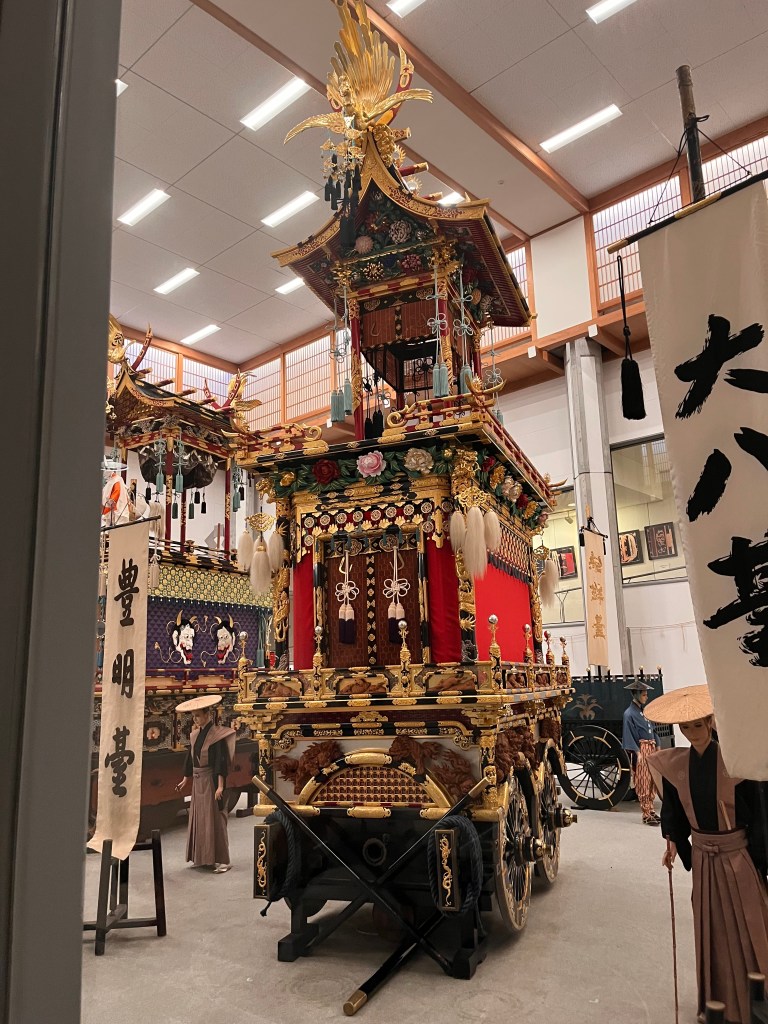
The Soo In temple in Takayama is home for 4 ceremonial buddhist floats that parade the streets on special occasions. As you can imagine, they have a rather wide turning circle. There are two sets of three story high doors for their exit and entry.
And now on to Kyoto, the old capital of Japan
 scatterbrook