

.
There are some charming gardens in the Cotswolds. The Highgrove Gardens of Prince Charles, the Whatley Manor gardens and Sudeley Castle gardens vary widely in style and intent. The intent of HRH at Highgrove is environmental sustainability, the style – rambling. The intent of Whatley manor is to impress, the style – impeccably grand. The intent of Sudeley Castle is to avoid the whole estate disappearing down the vast plughole of taxes and death duties, the style – once, long ago, unspeakably grand.
.
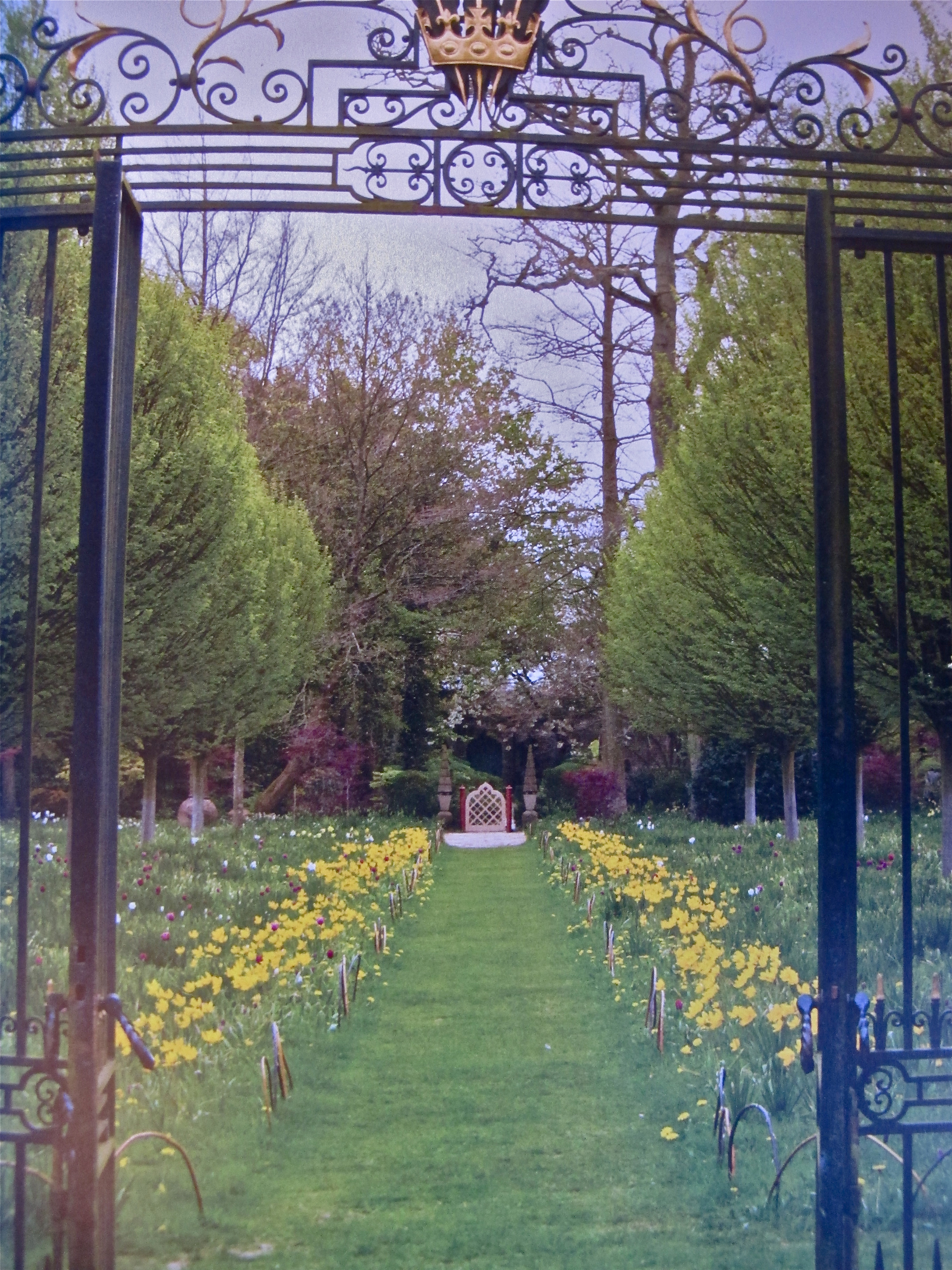
There is quite a long waiting list to see HRH Prince Charles’ Highgrove Gardens near Tetbury. However, a window of opportunity offered when the gardens were opened over Easter at short notice. Very tight security of course, multiple-step photo ID check, cameras and all electronic gear to be left in the car. They claim that the security is so good that you could happily leave your valuables on the seat with the car door open. Once inside the premises all is serene. It is as though Mother Nature is here roaming free in unstructured clothing, with her children all having a good time. The gardens might not be totally impeccable but the presentation of Jane, our guide is. She makes it clear that the focus of “His Royal Highness” for the last 30 years in these gardens has been to develop the estate with long term sustainably by recycling, organic gardening, solar power and avoiding GMOs (genetically modified organisms).
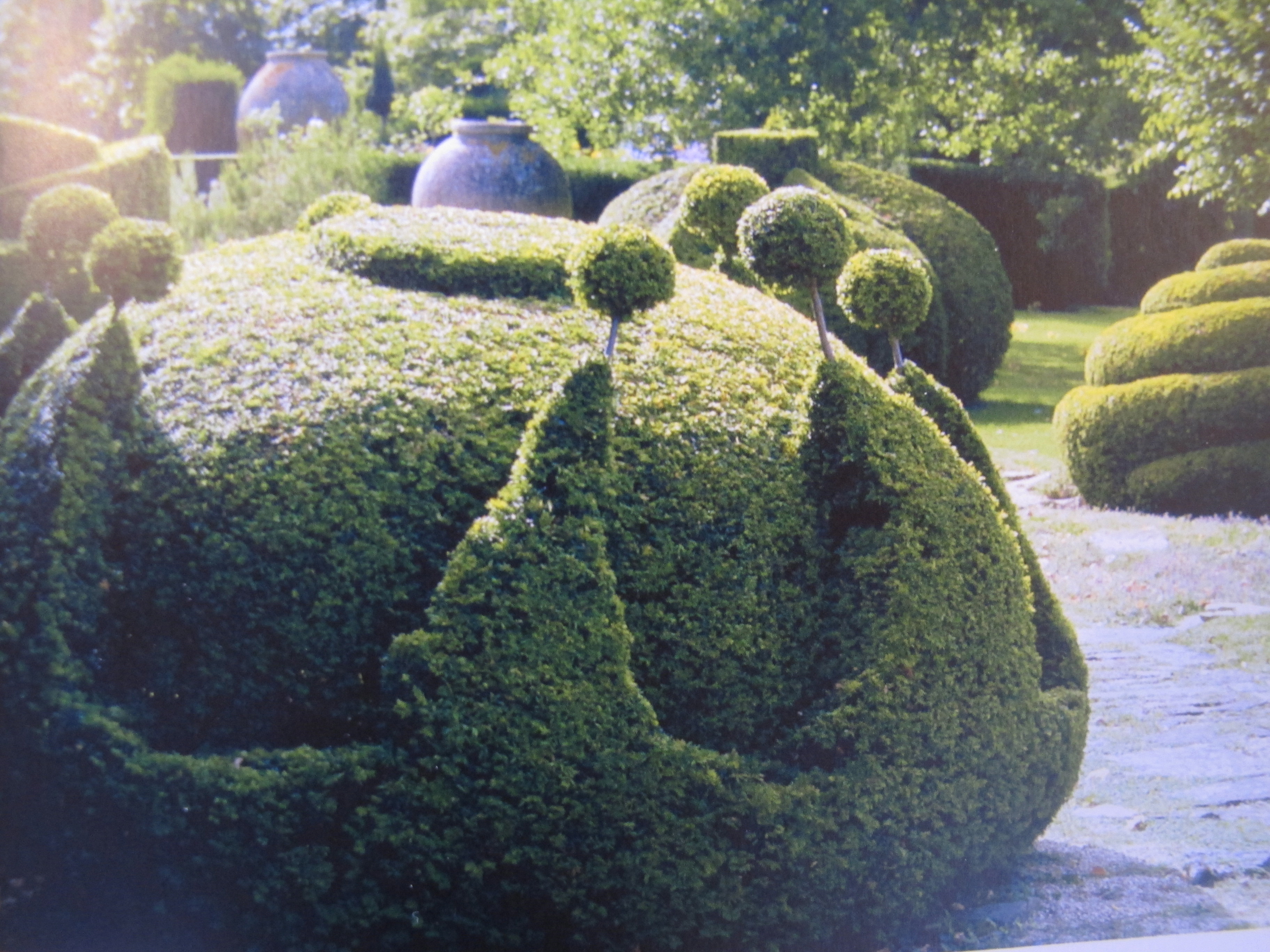
“The Prince”, she says, has 14 gardeners to put his vision into practice. Leading up to the house is an avenue of 14 yew trees. Seems that each gardener has the opportunity to sculpt (what is the verb for topiary) a tree according to individual taste.
The fact that the Prince has such a high profile sometimes makes adherence to his vision a bit problematic. He is given many gifts. It is polite and politically correct that the botanic gifts be displayed, as intended, in the gardens. New Zealand gave HRH something like eighty full size tree ferns, which were duly planted in an area intended to resemble temperate rain forest. 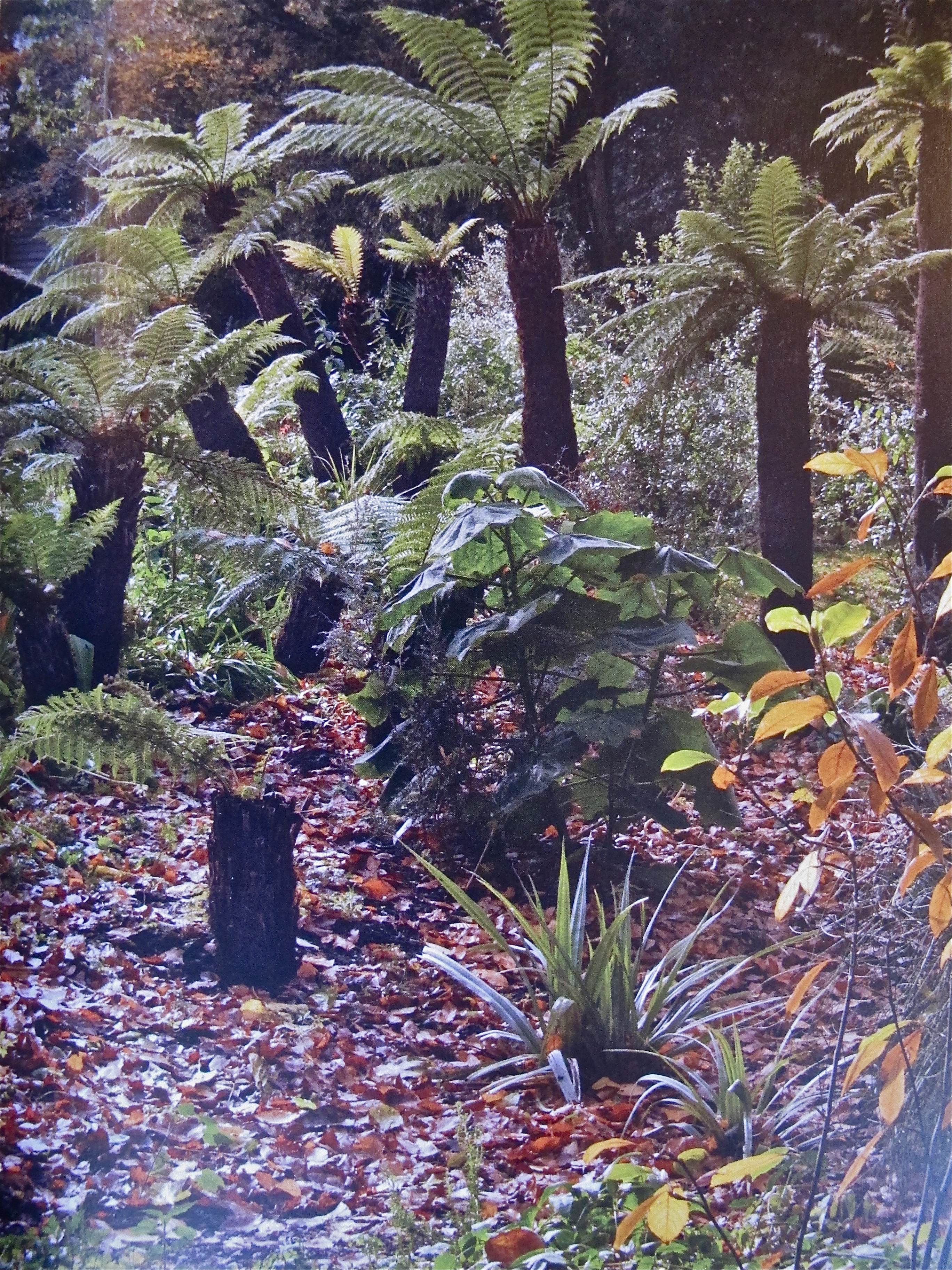 The tree ferns were not happy, and the forest of their now dead stumps presents a challenge in diplomacy. The Prince has also been given, over the years, a number of life size bronze heads of himself. These are displayed around the grounds. In allowing this, he claims the intent is friendly personal connection rather than narcissism. Stumperies have been described as “Victorian horticultural oddities” and were popular features of 19th century gardens. The Highgrove Stumpery consists of tree stumps arranged upside-down or on their sides to show the root structure, ferns, mosses and lichens have been encouraged to grow around or on them. It also provides a home for wildlife like stag beetles, toads and small mammals. Less frivolous are the free range chickens and vegetable gardens that provide healthy organic produce for Highgrove café and for the village shop.

On the other hand, Mother Nature in the Whatley Manor gardens is not only severely constrained by structured under garments, she is also Haute Coiffed to within an inch of her life. There is, or course, no evidence of any children. That said, the gardens are magnificent – no effort or expense has been spared in the quest for perfection. In the grounds, the accommodation and the 2 star Michelin restaurant. The entrance drive to the grounds is lined with about half a kilometer of dry-stone walling that looks so perfect that the cynical would suspect inner reinforcement and outer laser alignment. The Tulips in the rose garden look plastic in their realism, and the topiary might involve computer-programmed surgery.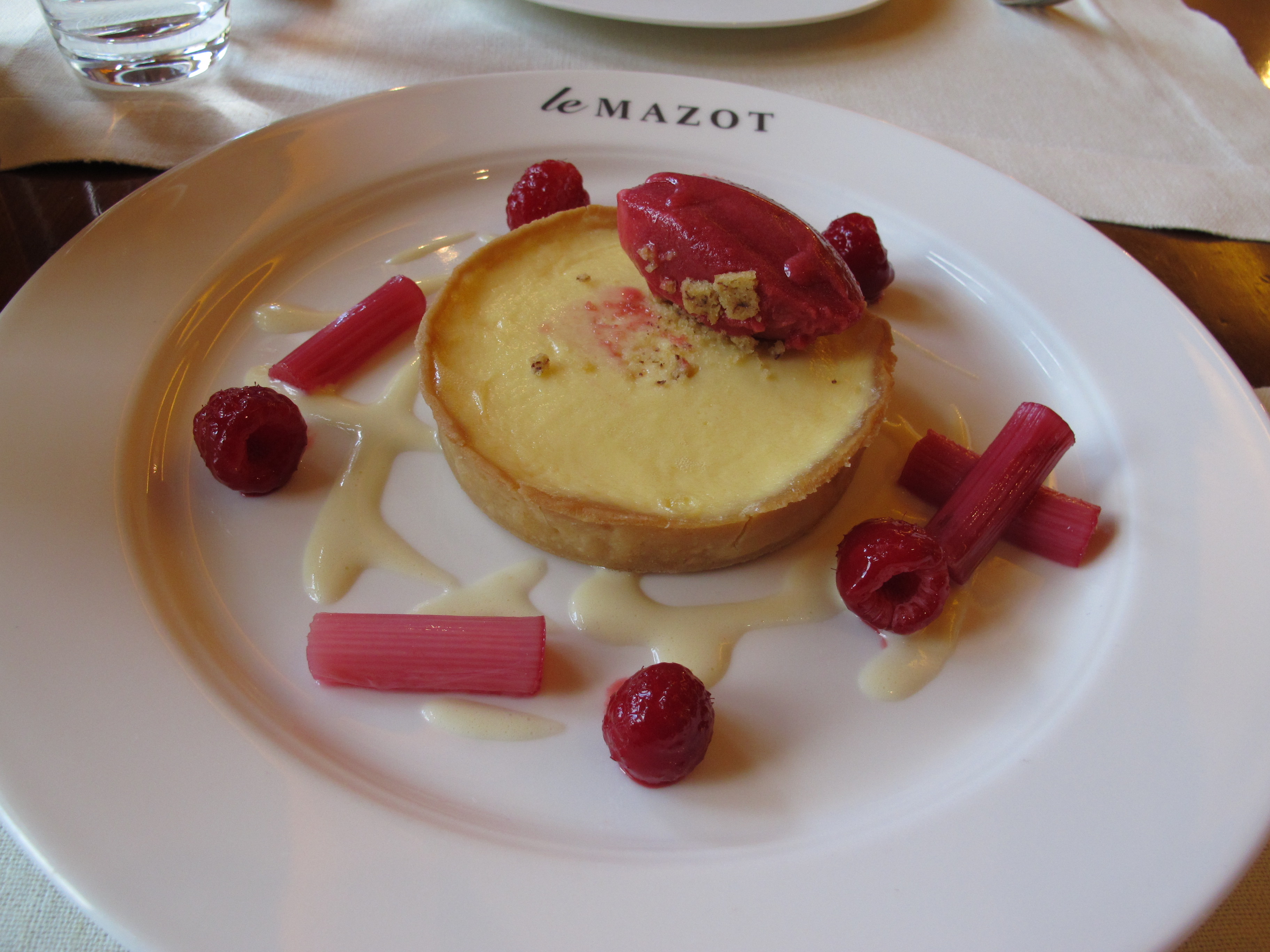 We couldn’t resist lunch in the Bistro. Instead of the lovely conservative lunch enjoyed by Sweetiepie, something malfunctioned in my tiny brain and I ordered three courses of pudding. As follows. Part 1 – Ginger Brulée with matching ice cream and biscuit. Just perfect in every way. Part 2 – Tiramisu with coffee ice cream. Quality, brilliant, quantity overwhelming. At this stage beginning to realise the gluttony of the project. Part 3 – Sweetiepie accepted a second spoon and graciously agreed to help deal with the Poached custard and rhubarb tart with raspberries and rhubarb sorbet. Truly memorable. Rhubarb from the garden, of course. Back in the garden we collapsed into hanging cane chairs to look out over the fountain to the distant hills.
Over hundreds of years the gardens of Sudeley Castle have been nurtured and developed. Not to any sort of perfection, more to a sort of comfortable, mellow, majestic grandeur. The castle has a long, regal and checkered history. Henry VIII owned the castle for many years without taking any real interest in it. His last wife, Katherine Parr lived and died here, and was responsible for some of the development around 1580. More on the building in another post.  But the garden was developed in the 19th and 20th centuries. After the second world war Sudeley Castle was one of first grand private homes to be opened up to the public to avoid architectural and financial ruin. Since then Lady Ashcombe has been responsible for presenting a slice of history in such a way that the visitors are happy, via their entrance fees, to in effect pay the bills. This garden strikes a good balance between the qualities of ‘Grand’, ‘Formal’ and ‘Relaxed’.
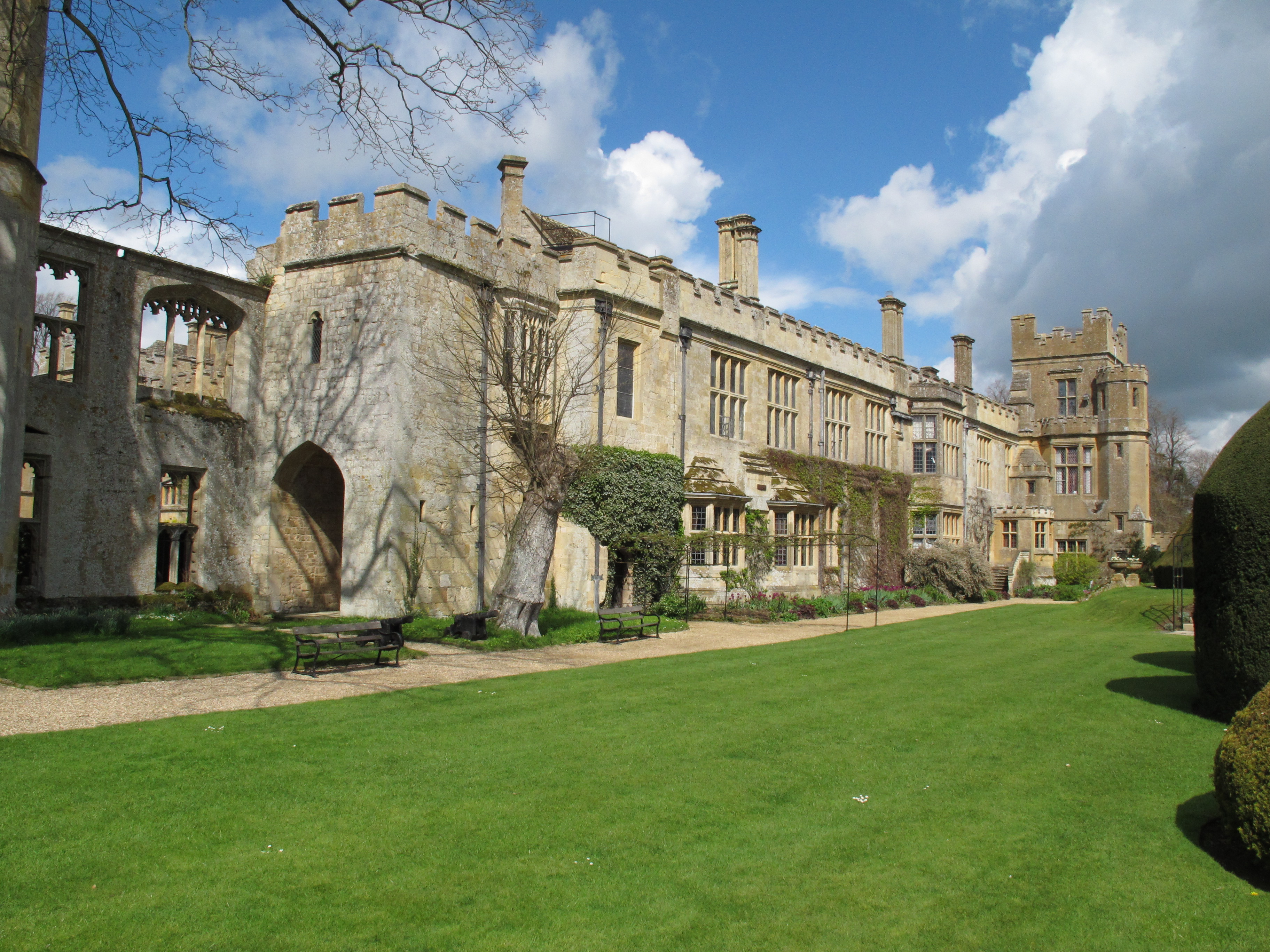 The massive amorphous yew topiaries describe nothing in particular but have a mood of lumbering jovial maturity. Then there is a giant wisteria which has for about a century been unsuccessfully trying to strangle the old wing of the castle. Lady Ashcombe is a patron of the arts in the garden as well as the house. A recent commission was a sculpture in cane by a woman who was inspired by the way that birds nests become an integral part of the host structure. The sculpture weaves in and out of the soaring gothic end window of the remains of the banqueting hall. It is massive (maybe 20 feet high) and pays homage both to birds nests as well as a dead wisteria that lost the battle. Googling Sudeley Castle sculpture gives some interesting reading.
 scatterbrook
Thanks Rob and Helen. I thoroughly enjoyed the tour. Love, Jill