
Recently had a dream – nine people going on tour, with all of their luggage, in a VW beetle and a sports car. The dream was most likely a reference to a trip taken to the loire valley a year earlier by a group of potters.
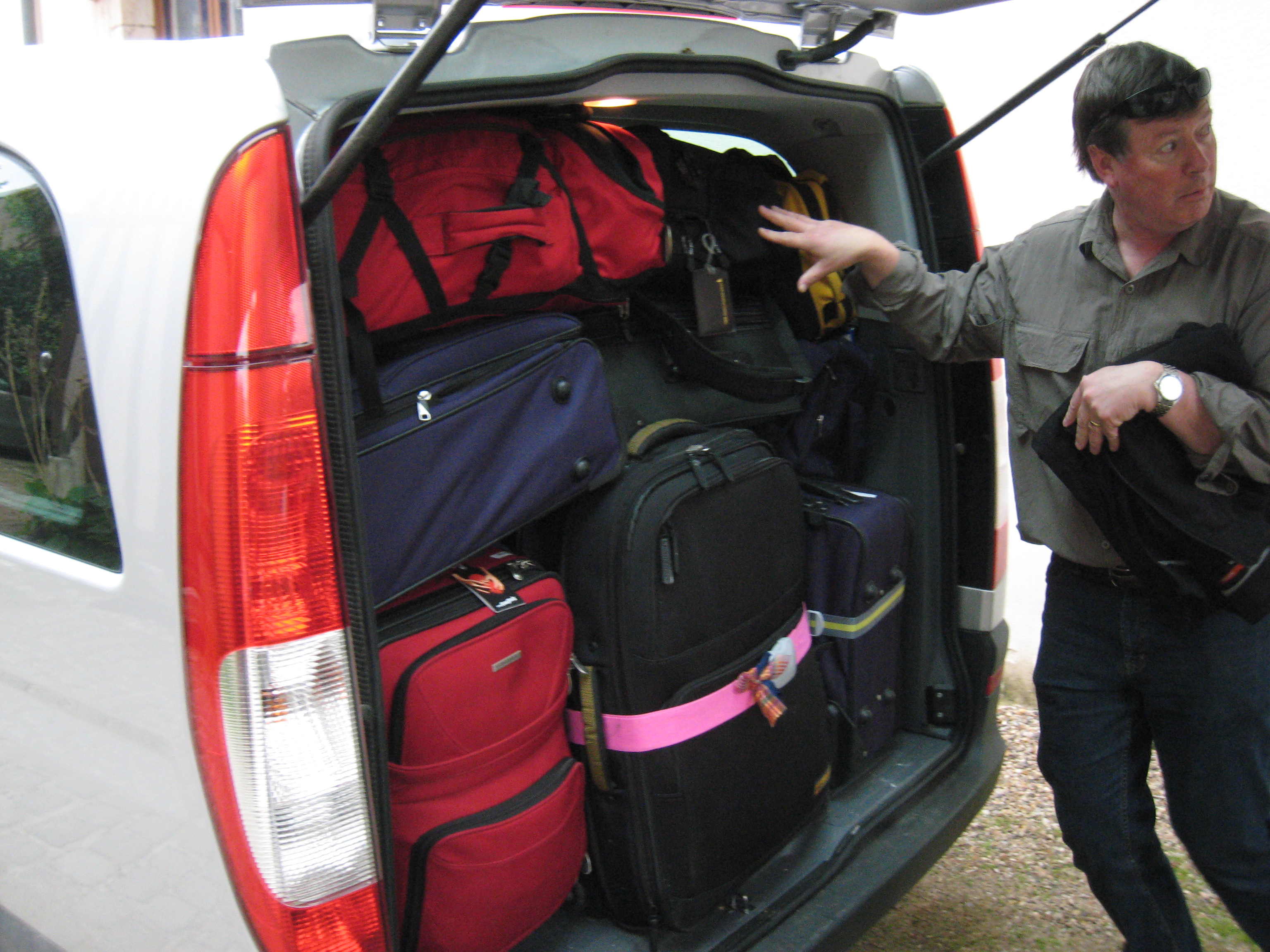
the luggage
In fact, 9 people went on a tour of the Loire Valley in a Mercedes 9 seater bus. The 9th seat was next to the driver, but that passenger couldn’t have legs because of the engine hump and gearstick. The 9 of us each had a suitcase and overnight bag. The boot of the Merc was 1 suitcase deep so the cases had to be shoe horned into the back and some of the overnight bags were in the front with us. Very friendly, we were. Apart from occasional gridlock, the makings of a great adventure.
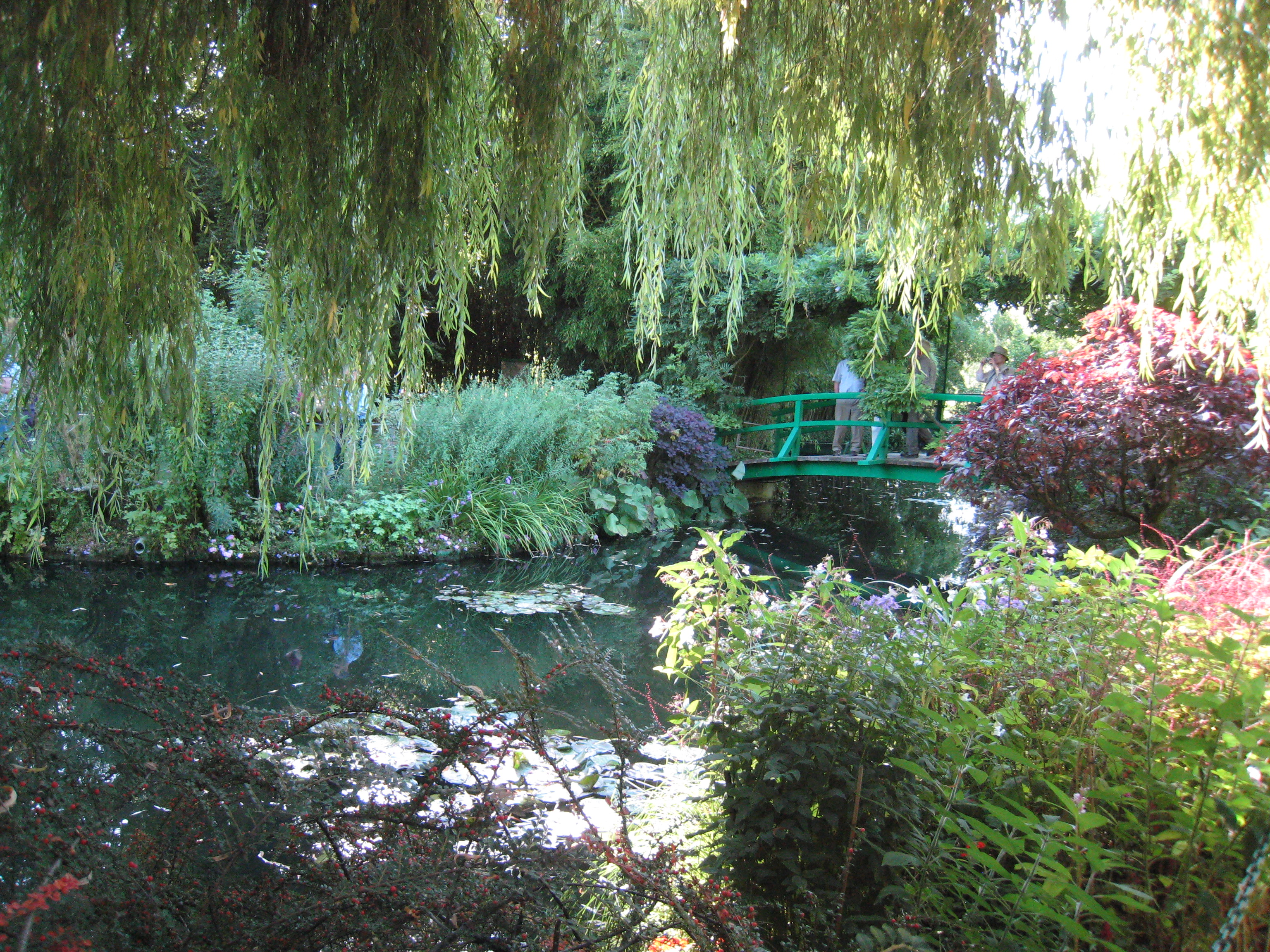
garden at Giverney
First stop Giverney, where Monet and his second wife set up shop with their eight children. Absolutely tranquil uplifting house & garden. He loved to entertain but on his own terms. Was also rightly proud of his cooking and his kitchen. The gardens as well as the dining room and kitchen featured in many of his paintings. One of his obsessions was the collection of old Japanese wood block prints, many going back centuries. Along with his own paintings, the walls of the house are crammed with the prints. The coffee table book “Monets Table” now out of print is mouthwateringly elegant. His entertaining schedule was early lunch at 11.30 followed by tea under the lime trees by the lake, finishing early so as to enjoy the best of the afternoon light for painting. He never entertained in the evening due to his strict regime of early to bed early to rise. After his death a major road was put through the middle of the estate, sadly separating the house and potager garden from the lake and surrounding gardens. A few decades ago a generous patron had a massive tunnel built under the road so that guests could freely move about the whole estate once again.
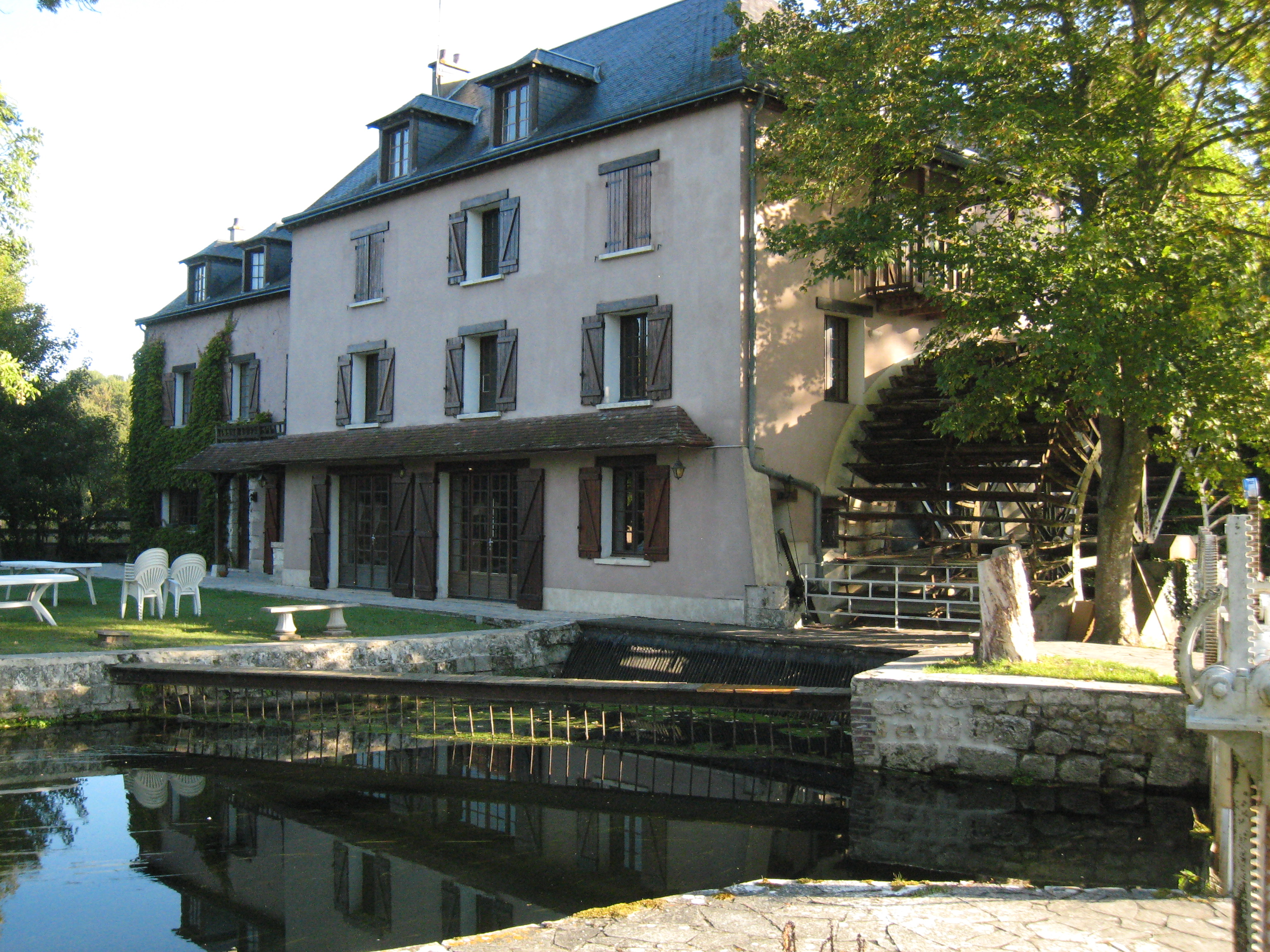
Forte Manoire
Stayed at Forte Manoire near moulin neuf – that is “new” mill as distinct from mill nine – tricky. The Manoire is a converted mill. A fast flowing river through good wheat growing country led to a rare opportunity. A water wheel mill to mill the grain in situ. Massive piece of Victorian engineering. Mill hasn’t worked for many years and the rotting remains of the huge wooden paddles hang in tatters. But the working parts of the gear mechanism have been lovingly maintained and are a feature in the dining room, which is at floor level of the old mill. The biggest of the gear wheels – about 2m diameter – had replaceable wooden cogs. So the machine could have had a life of centuries, but for economic rationalism. Host – Jean Louis. Food – magic.
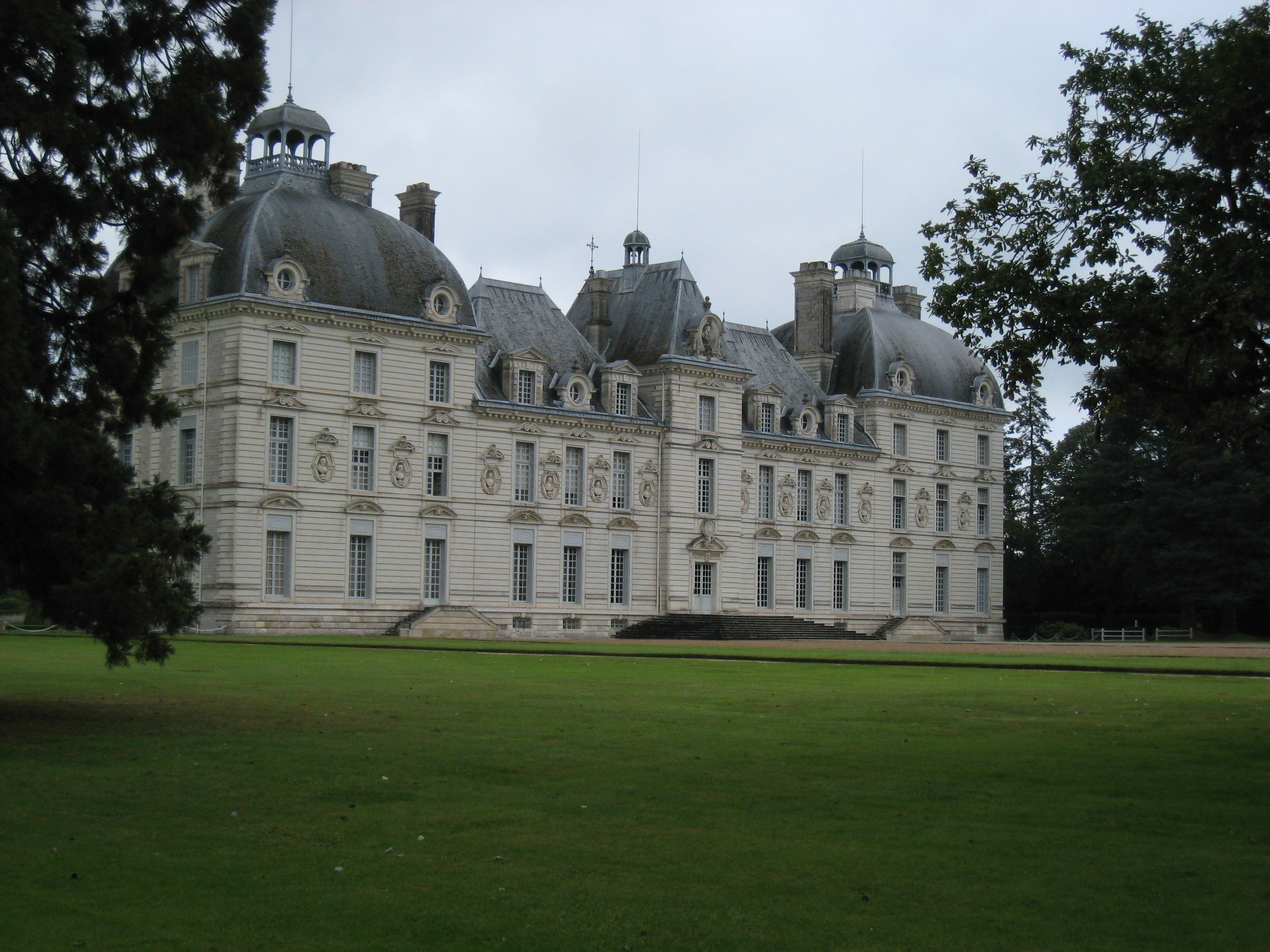
Cheverney
There are lots of variations on the chateau theme in the Loire Valley. CHENENCEAU, a grand affair given to Diane de P mistress of Henry IV, but when he died, Catherine de Medici, his widow, chucked poor Di out. A shame, as Di was nanny to Henry & Cathy’s kids. CHEVERNEY (another C word but different to the previous – pay attention) is arguably the most elegant, best furnished and maintained continuously since the 16th cent. Marvelous toys in the kiddies room, Napoleonic era rocking horses, dolls high chair and little sewing machine. Outside, the park like gardens received the same thoughtful care.
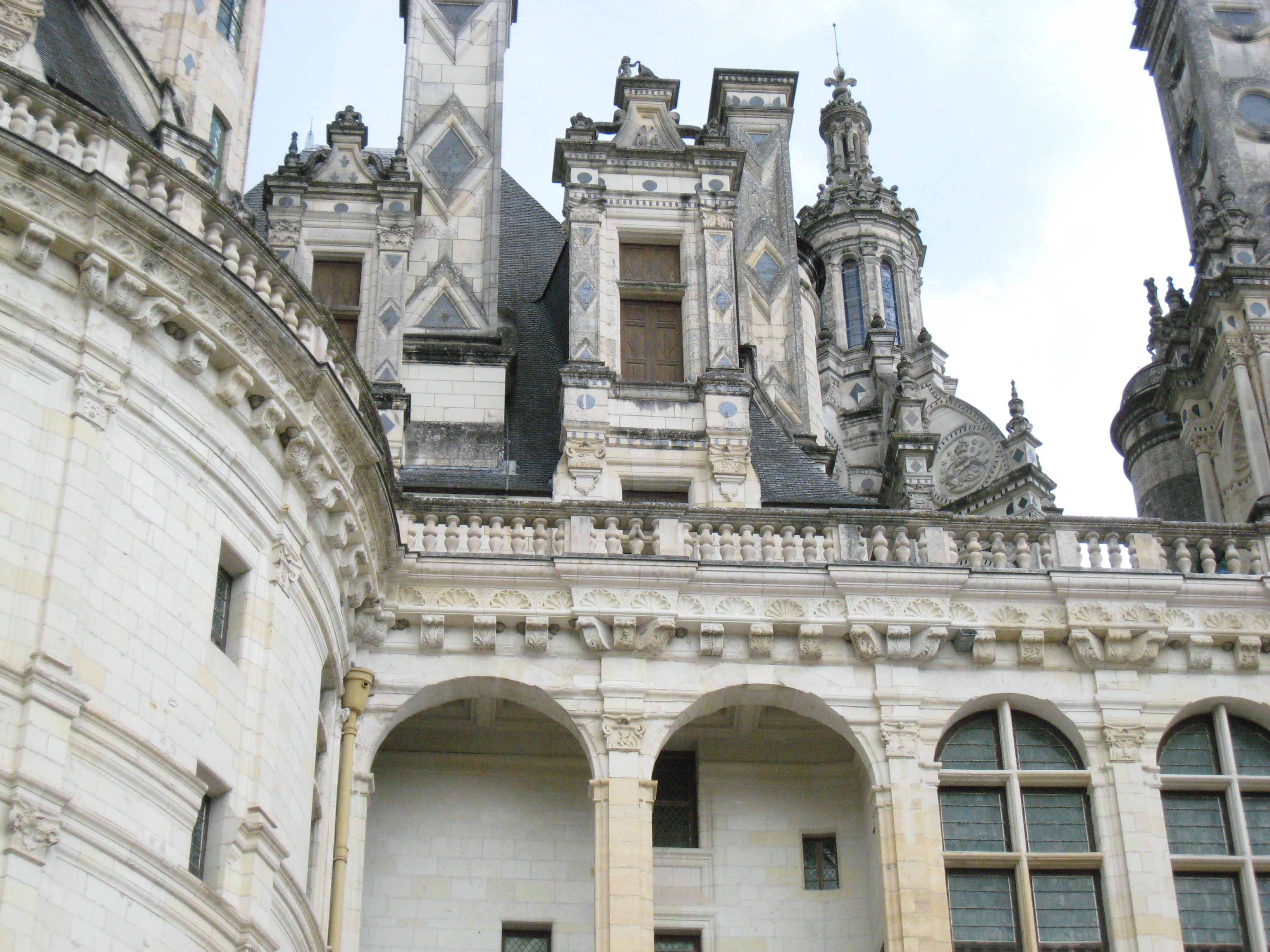
Chambord
Yet another C word – CHAMBORD was developed as a hunting lodge by Francois I. They were big on hunting in those days. Louis XIV was not so much interested in hunting and used it to impress foreign visitors. He only stayed there 9 times in 25 years and had the furniture moved out shortly after the visitors had gone. The excessive roof decoration reminds of Gaudi chimneys.
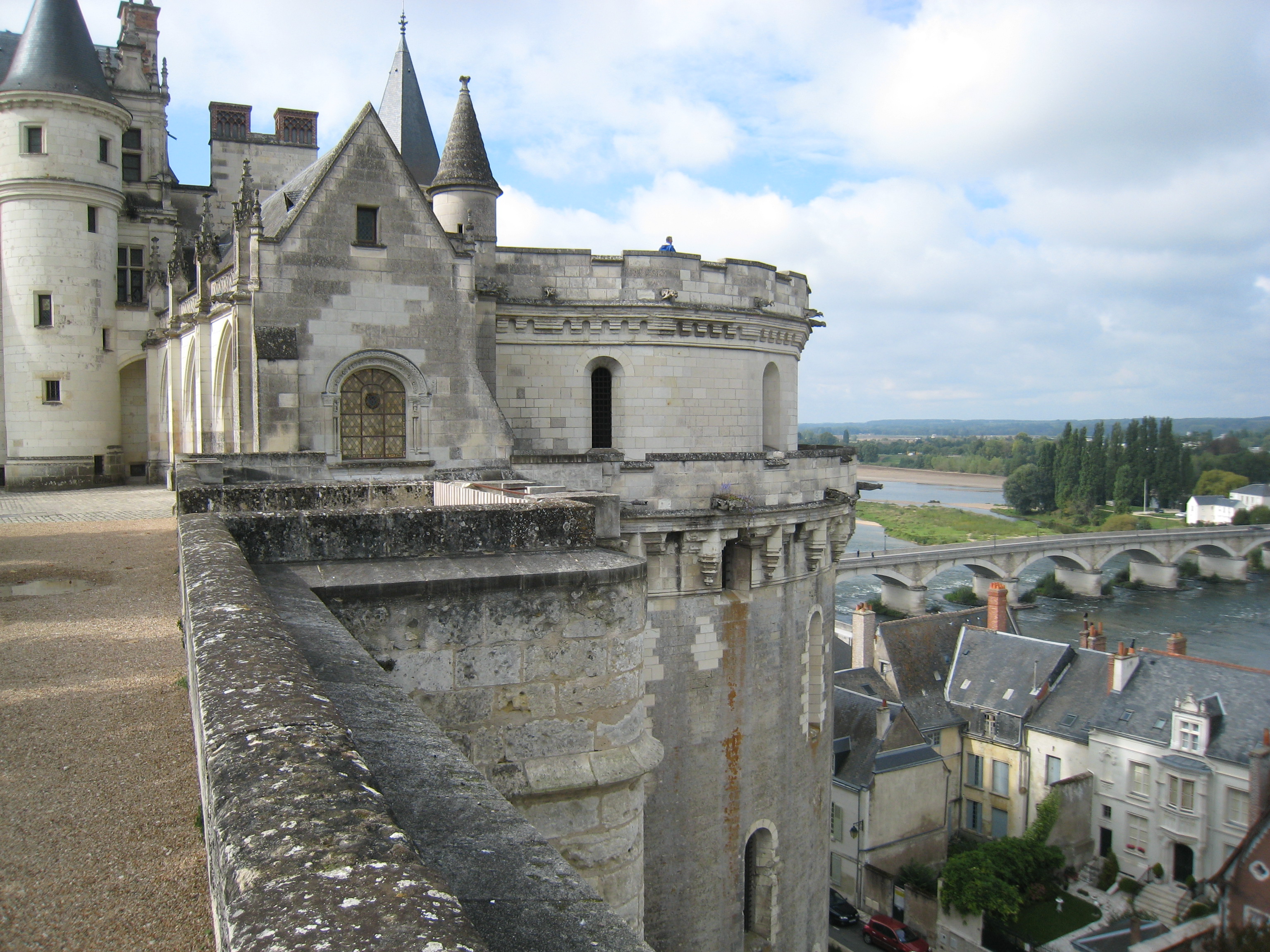
Amboise
AMBOISE was the huge, fortified, first expression of the renaissance in the Loire valley. Had cavalry towers for access of horses and carriages to the uppermost parts. Lenny da Vinci moved into Amboise about the year 1515, died there about 4 years later, and was buried in the chapel of Francois I who was his patron. Lenny’s shed is called CLOS LUCE. Contains life size models of his gadgets like helicopters, war machines for chucking big rocks, submarines, bikes etc. Lenny came toAmboise after the Florentines poo pooed his clever ideas.
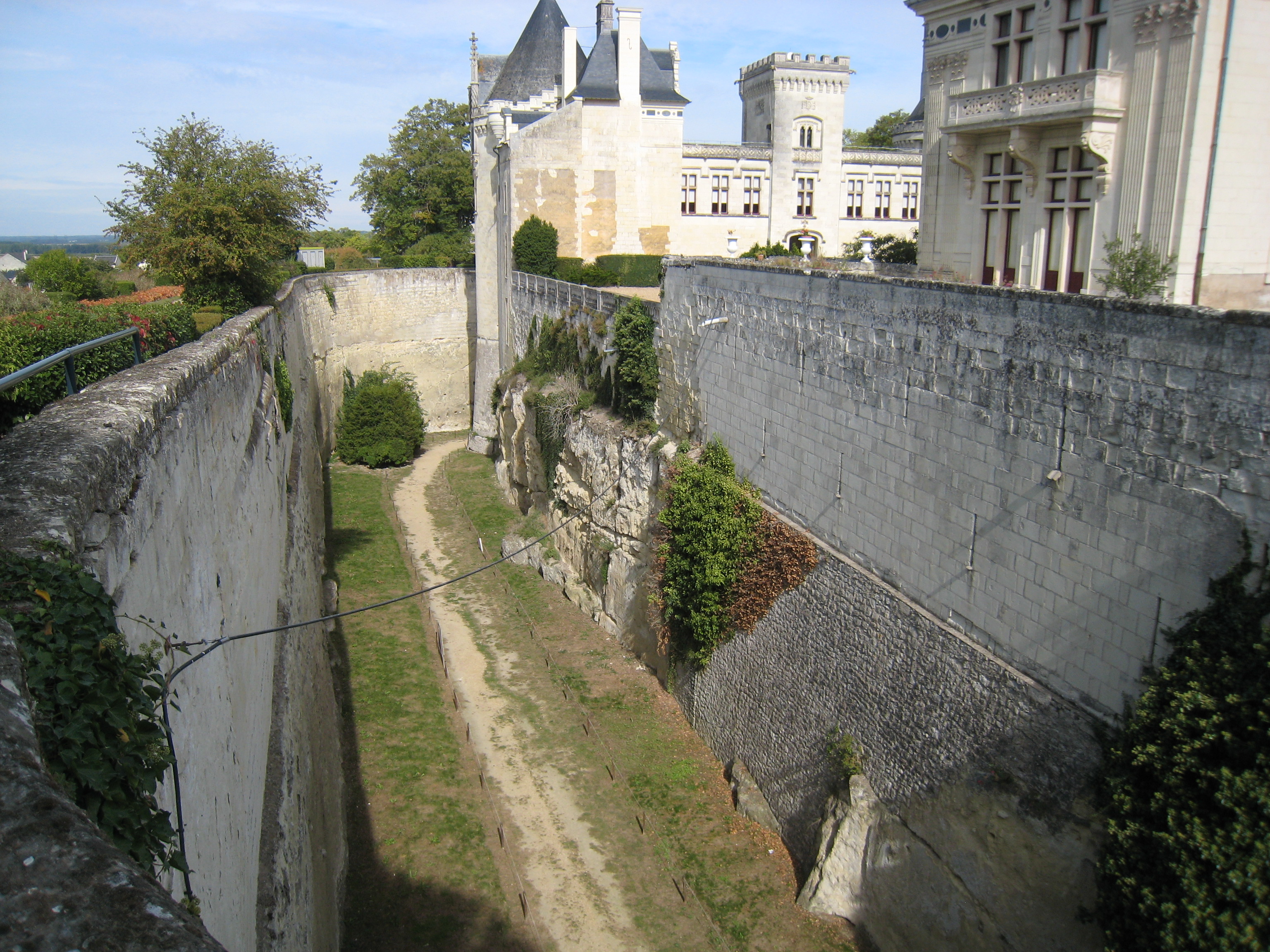
the serious moat
BREZE castle has the deepest moat in Europe and was built to be seriously defended. So formidable that no one dreamed of trying. Pity, and after all that digging. Still, the digging did some good, produced lots of sandstone building materials. Lots of quarrying for sandstone/limestone all along the Loire valley left vast areas of caves which were yet another resource.
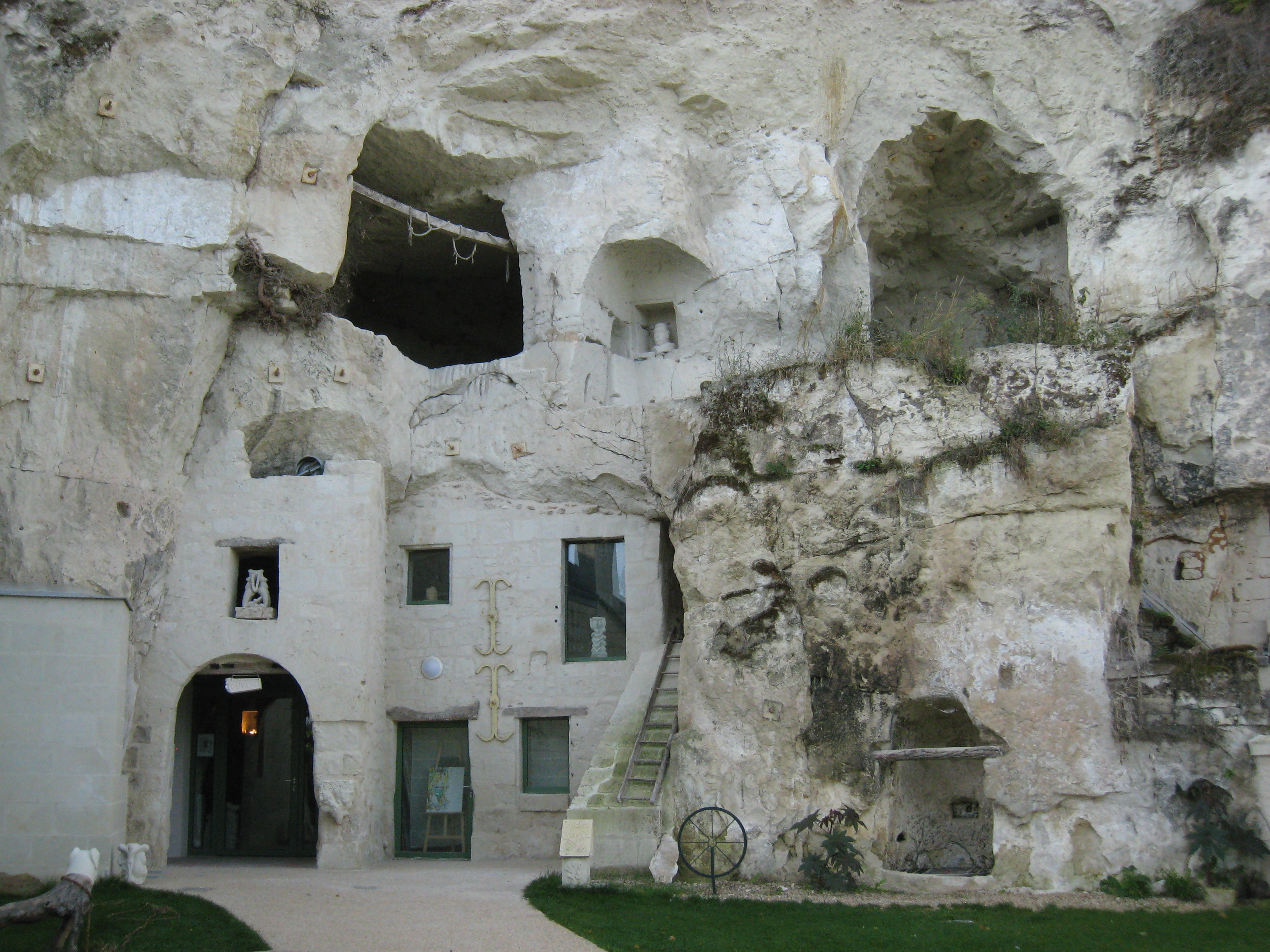
Chez Trog
Squatters called “troglodytes” moved in, dug out a bit more stone, which they
used to construct a house like facade for their hole in the ground. comfortable – cool in summer, warm in winter, low maintenance. naturally attracted crafts people who had the necessary skills. Around Turquant many artisans have found a home.
The main focus of the French trip was revisiting La Borne, a little pottery village. Just by coincidence a wood-fired ceramic event was in full flight as we arrived. La Borne consists of two pubs, one café and about seventy potters. In the golden days of the seventies and even early eighties, hordes of collectors came from around Europe to buy from the source. In the last couple of decades Marchés des Potiers or Pottery Expos have been an increasingly attractive outlet for studio potters, and the less famous of the La Borne potters have had to travel to take part in the potter markets. Many French villages and cities now have an annual potter market over a weekend in the centre of the village. Some of the larger markets attract over a hundred professional studio potters. Although perhaps not as commercially significant as it once was, La Borne remains a Mecca for wood firing potters of the world. The association of the local potters is a very active and influential body. Just this year an impressive new ceramic centre has been opened. It is a large building in the configuration of a monster Anagama kiln.
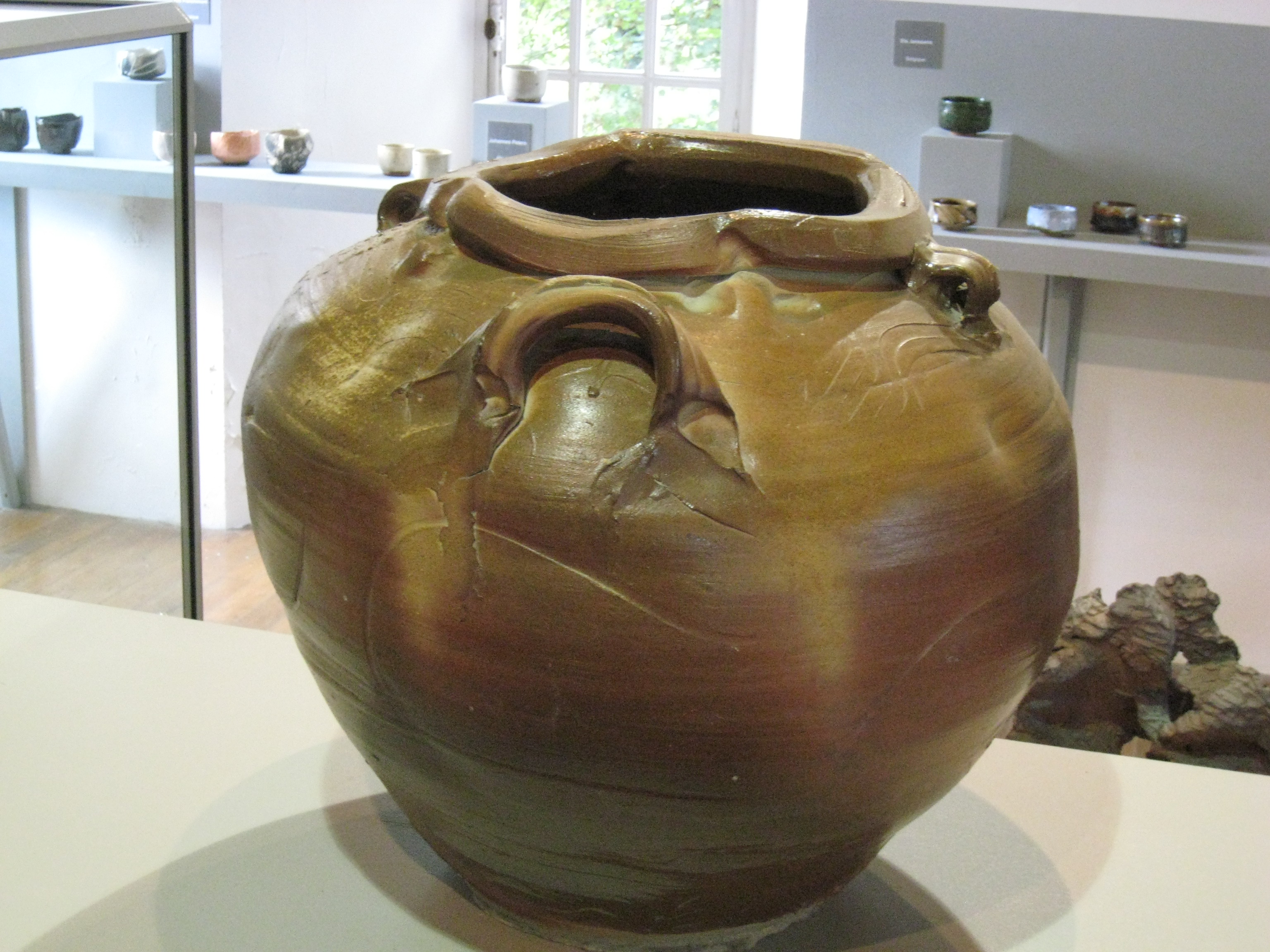
There is a large auditorium in place of the firebox, the rising steps of the body of the kiln provide space for very ambitious exhibitions and a number of wood firing kilns, including a small Anagama are sheltered in the implied flue or chimney of the building. We managed to gate crash the firing of the old Talbot kiln, which is managed by the Association. With 5 Australians officially taking part in the event and 9 Australian gate-crashers, Robert Barron felt quite at home giving his presentation in English.

The oversubscribed Pig
A whole pig was being spit roasted near the firebox for the Saturday night party time, and we were all set to rage on to dawn with the Cajun band, but come 10.30 pm the pig was oversubscribed and the gate-crashers were hungry. English expat. potter Christine Pedley came to the rescue – “come round to my place”. The La Borne potters who succeed well sometimes do so by specializing and excelling in a particular technique. The terre sig pots of Daloun generated particular enthusiasm.
Chartres Cathedral
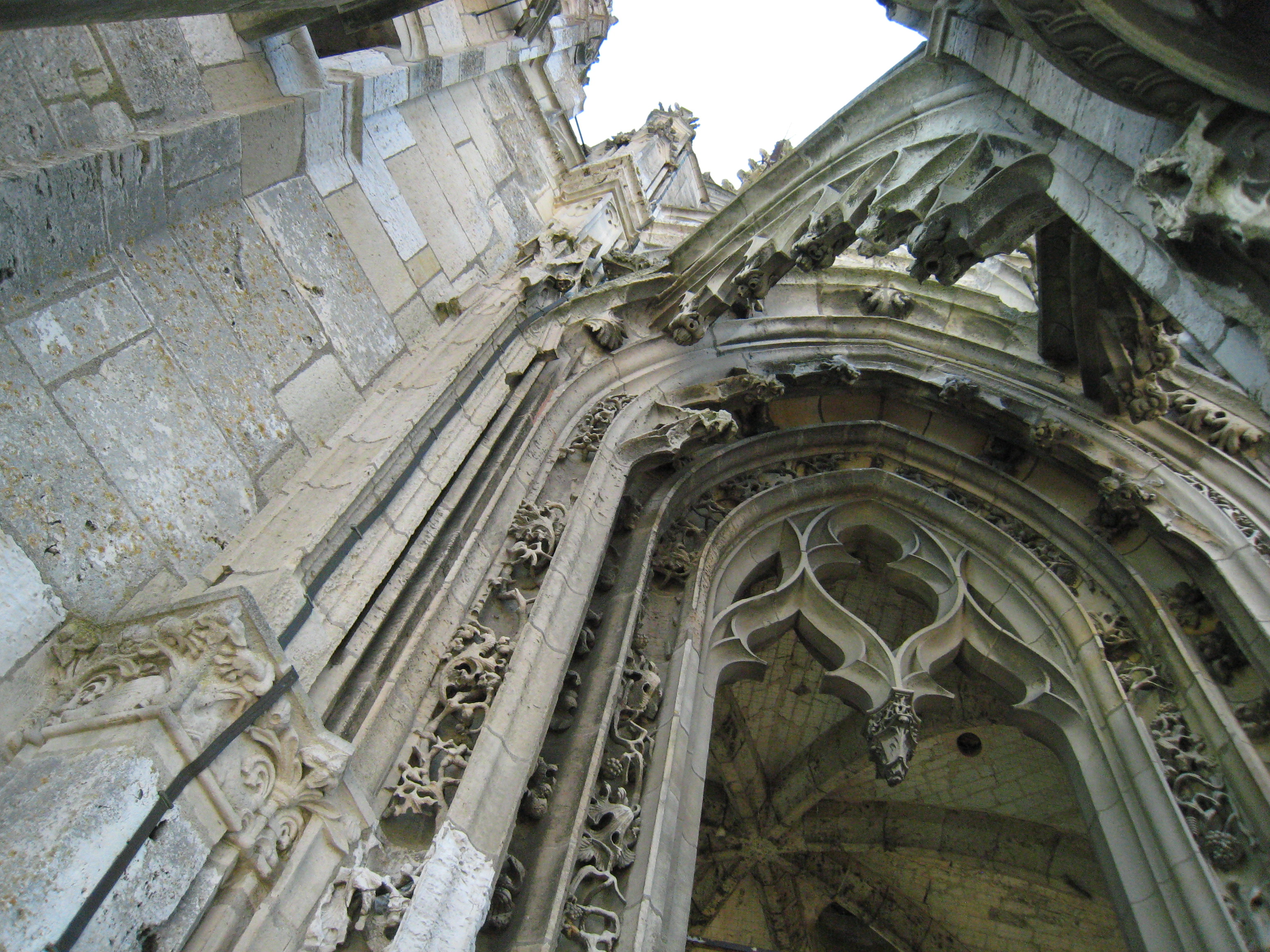
Chartres might be the stained glass centre of the world. Apart from the cathedral itself there is a significant stained glass gallery nearby with examples for sale, from authentic very old to modern á la Leonard French and beyond. The cathedral has suffered the ravages of fire, time, candles and smog. That it survives at all must be something of a miracle. But that it was made in the first place defies imagination. To have been built, just stone on stone to unprecedented height, slithers of stone framing soaring stained glass all the way to heaven. That is the concept, but church and state have worked hard and long and not always successfully at keeping decay at bay and making good the ravages of smog, smoke and fire.

Chartres Glass
Current program involves cleaning and repairing the stonework. So far the nave has been completed, looking just like new. Still leaving maybe 80% of the stonework to get the treatment. For all that, Chartres remains just a beautiful building.
Fontainbleau
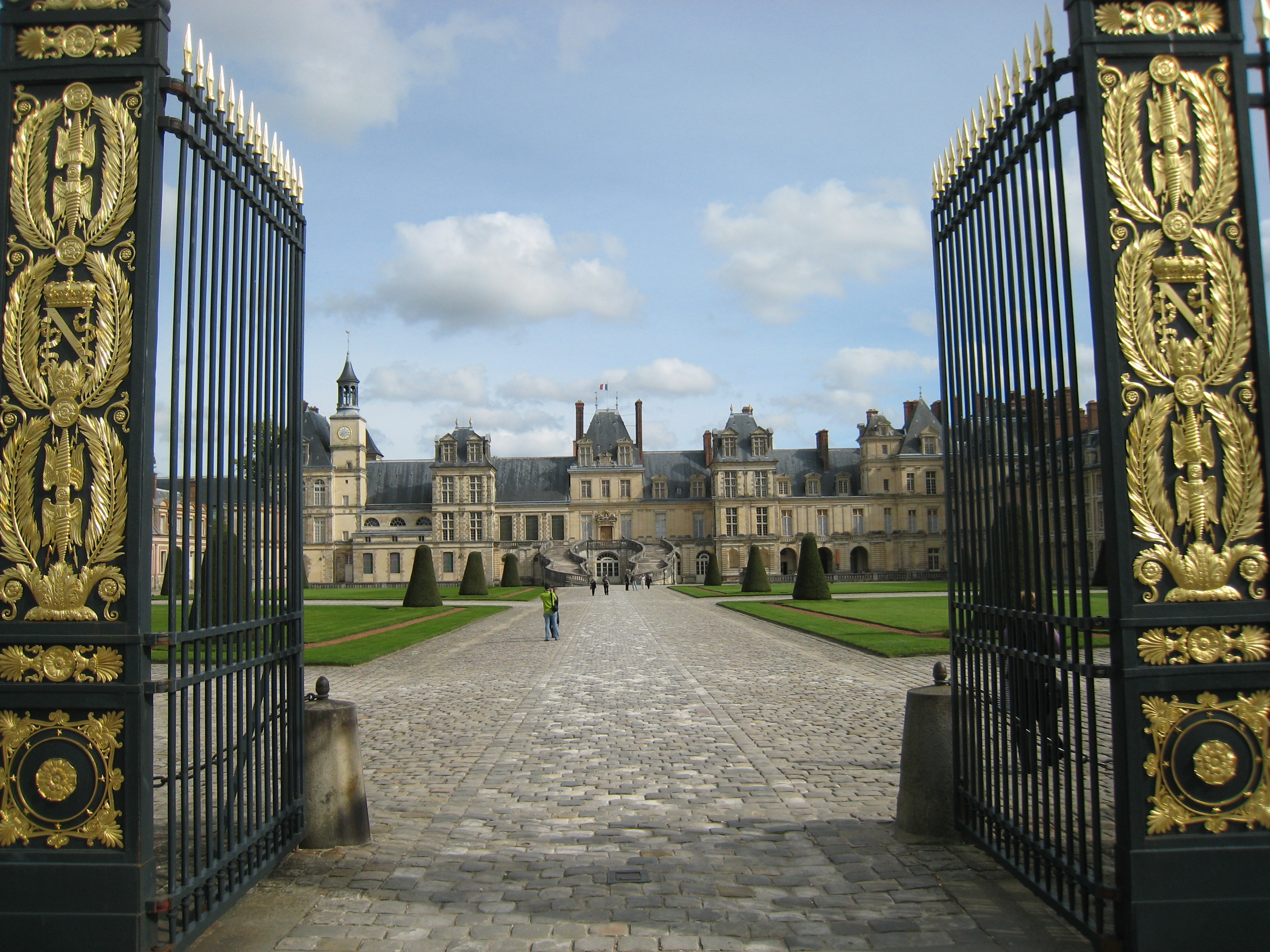
On our way back to Paris, dropped in at Fontainbleau, another of the shacks zapped up by the Henri, Louis and their mates. Not content with one massive edifice, they had to have lots of them; So bored were they that after a few days they would yawn and move to yet another. Fontainbleau was more or less significant in that it had 1900 rooms; yes one thousand nine hundred; Which means that if you wanted to see them in an afternoon you’d have to get your skates on and do a room every 6 seconds. We were a bit slack and only did the ones open to the public. Which was somewhere about 50. Would have been great to see some of the others, maybe a bit dusty, with lots broken bits of Sevres porcelain dinner plates and bent gold cutlery. And check out those guillotines with long dried blood stains.
Breakfast in the kitchen
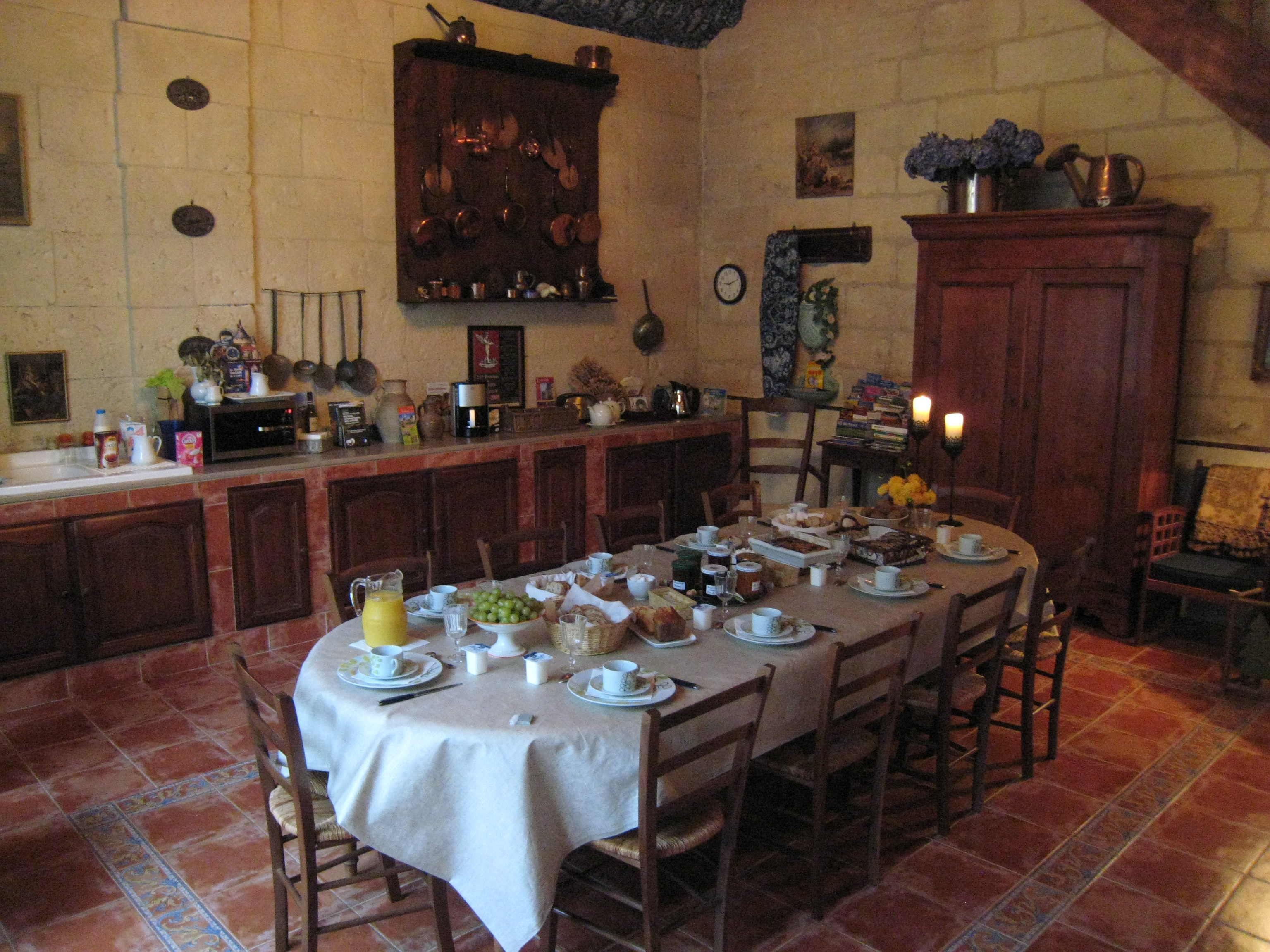
A few memorable nights on the potters trip were spent at Maison Carre, which is actually a Manoir but would be called a Chateau further north. It is a ten acre spread in the middle of town with its own soccer pitch. They have been here for some time, and the children have grown up and moved out. Pierre has business in the city, leaving hostess Evelyne free to indulge her passion for food and hospitality, and to open a gite. The surroundings, the accommodation,

Breakfast
the ambience, the food, hospitality, twenty foot high ceilings, food & wines of the best all deserve lots of stars. Evelyne only cares about food, luxury and chatting with the guests. Beyond the garden, beyond the soccer pitch, beyond the creek there is a marvellously grand and rambling potager garden and orchard. The produce more than provides Evelyne with resources for her preserving and cooking. First night’s dinner was Lemon Salmon matched with a Sauv. Blanc that made most of the Kiwis attempts look a bit average. And for brekky – 4 varieties of bread (walnut bread the best) with home made rhubarb & pruneau confiture followed by clarfouti made with plumbs from the orchard. Let us embrace the Evelynes of the world!
 scatterbrook